Last updated September 24, 2026
New windows and doors improve comfort, cut energy bills and add long-term value to your home. Sightline Windows & Doors Pinewood pairs proven product lines with our own installing crews for lasting performance - and a price we put in writing.
1. Choose your installer
The unit is half the job - the install is the other half. Our own background-checked crews measure, set, seal and insulate every opening, and they know the lines we quote inside and out because they install them every week.
2. Select the right products
Compare styles, materials and glass packages side by side until the fit is right for your rooms, your budget and your goals. The product-line comparison below is the place to start.
3. Prepare your home for install
Before install day we walk you through a short checklist - furniture pulled back, treatments down, a clear path to each opening - so install day is watch-it-happen, not scramble.
Compare the Lines We Quote
Every project is priced on the same lines, side by side - the price indicators below are relative, and your consultant shows exact numbers on your actual openings.
PGTThe line Florida homeowners arrive naming - the most Miami-Dade certifications in the industry$$$
- More Miami-Dade NOA certifications than any other line we quote
- WinGuard, EnergyVue and ClassicVue Max systems built for every wind zone
- 99% on-time delivery keeps your install date on the calendar
CGIThe heavyweight impact line$$$$$
- Large-missile impact ratings for the strictest wind zones
- Architectural-grade aluminum with commercial-depth frames
- The line we quote when protection is the whole point
CWSThe Florida value pick$$
- Vinyl systems built in Florida for Florida codes
- Strong energy packages at the friendliest price point
- The smart start for whole-home replacements on a budget
ESWSlim lines, big glass$$$$
- Narrow-sightline aluminum for modern elevations
- Oversized openings and floor-to-ceiling glass
- Impact-rated without the bunker look
ECOThe aluminum impact workhorse$$$
- Miami-built aluminum impact systems
- A strong price-to-protection ratio for coastal homes
- Proven inventory lines with short lead times
Seasonal Windows & Doors Care for Pinewood: Year-Round Homeowner’s Guide
The National Hurricane Center documents that water intrusion through window and door frames - not broken glass - accounts for the majority of interior storm damage in Florida structures with impact-rated openings. Yet most Pinewood homeowners we meet during post-storm assessments in October and November are inspecting the wrong thing: they’re looking for cracked glass while missing the lifted sill flashing or compromised frame sealant that actually let the water in. This guide maps maintenance to Pinewood’s real climate cycle - wet season, dry season, and hurricane season - with specific protocols for testing multipoint locks, reading condensation patterns, and documenting condition for insurance and resale. For Windows & Doors Permits, Codes & Inspections in FL: What You Need to Know, see our compliance overview. What follows is the inspection sequence we use ourselves, adapted for a homeowner with a flashlight, a notepad, and two hours per quarter.
Quick Answer

Seasonal window and door care in Pinewood means preparing impact-rated openings before June 1, monitoring for sealant failure during the wet season, inspecting for frame racking after any named storm passes within 50 miles, and performing exterior maintenance during December through March when humidity drops below 60%. The two highest-stakes tasks are the pre-season torque test of multipoint door locks in April and the post-storm sill flashing inspection before mold has 48 hours to establish.
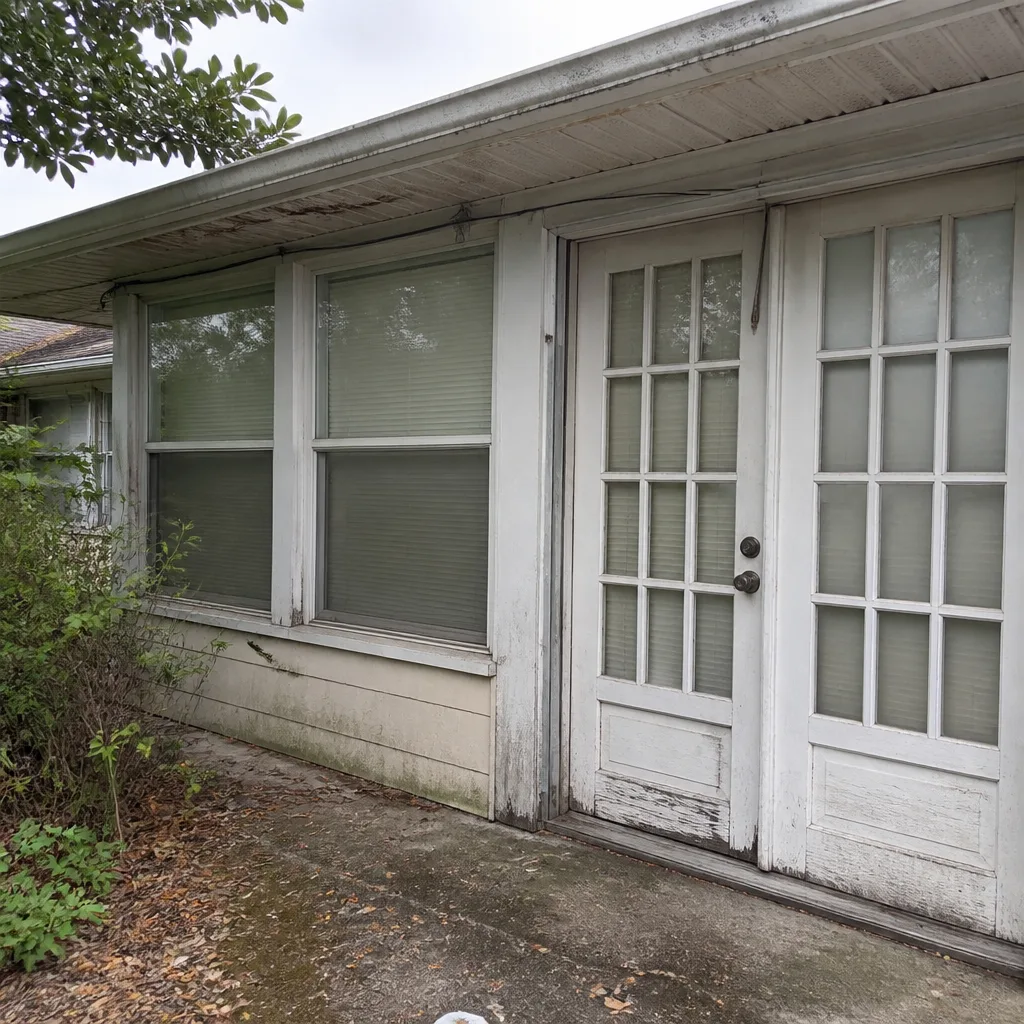 Before
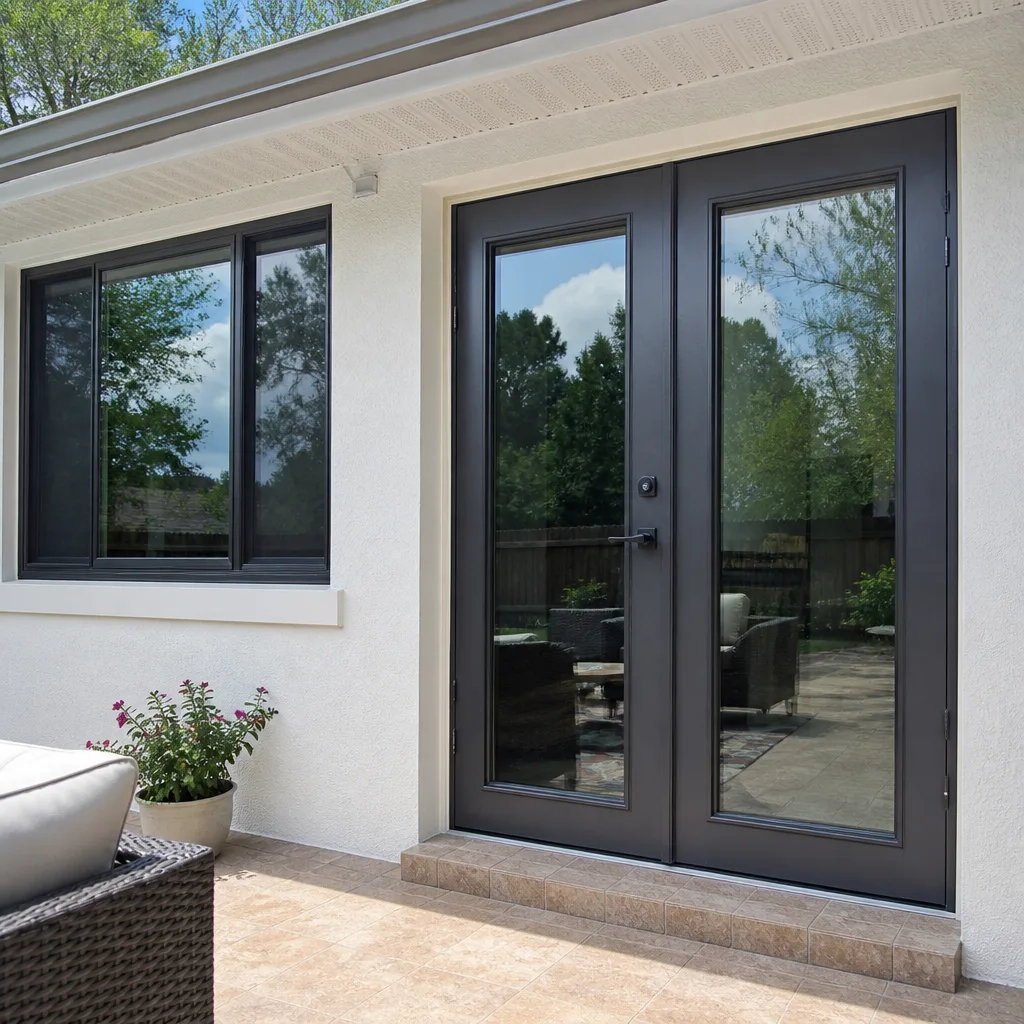 After
AfterTable of Contents
- Why Pinewood’s Three-Season Cycle Matters More Than Four
- April-May Pre-Season Protocol: The Six-Point Lock and Seal Test
- June-September Wet-Season Monitoring: Reading Condensation and Sealant
- October-November Post-Storm Assessment: Frame, Anchor, and Flashing Inspection
- December-March Dry-Season Maintenance: UV Sealant and Hardware Cycles
- Building Your Written Seasonal Care Record
- Common Mistakes to Avoid
- When to Call a Professional
- Frequently Asked Questions
Why Pinewood’s Three-Season Cycle Matters More Than Four
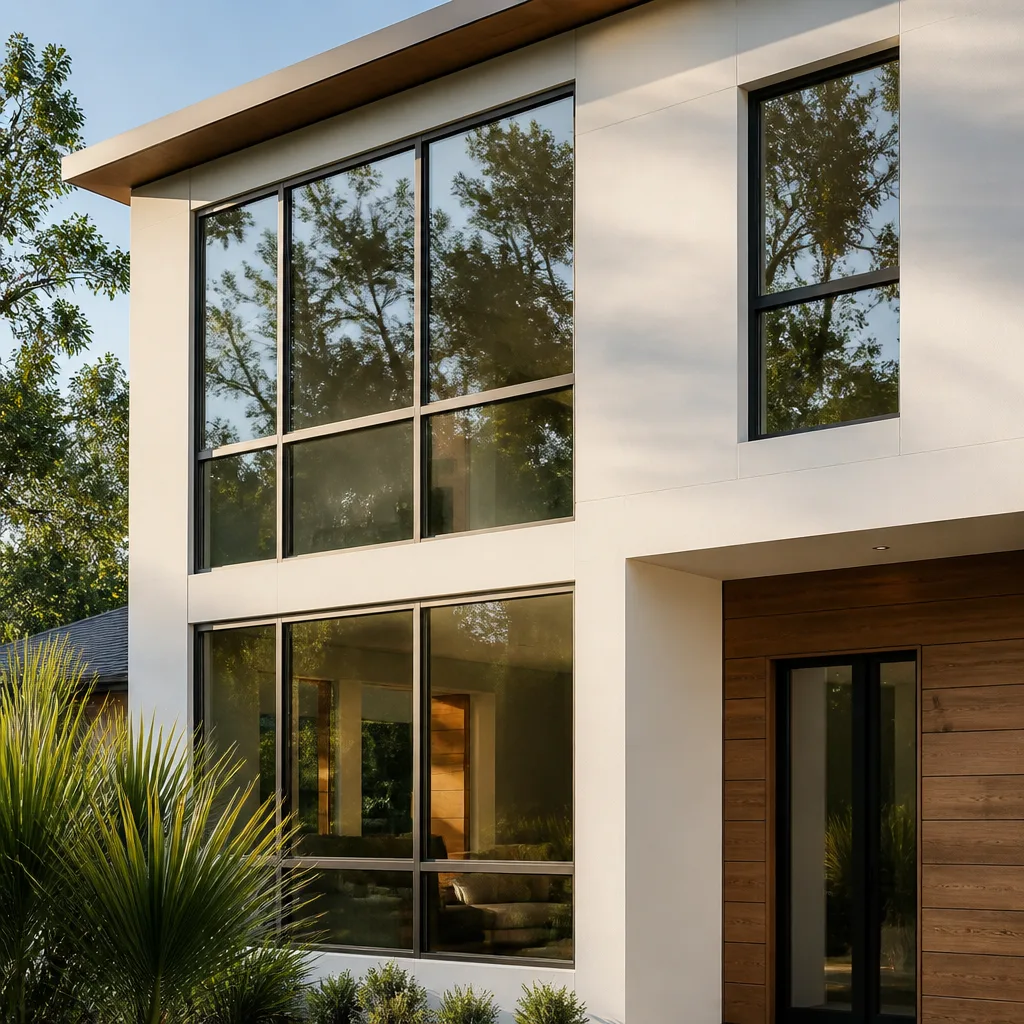
Pinewood sits in Miami-Dade County’s inland corridor, roughly 15 miles northwest of Biscayne Bay. The elevation is low enough that seasonal groundwater sits close to slab level, but far enough from the coast that wind speeds during tropical events drop slightly while rainfall totals often exceed coastal zones. This geography creates a maintenance environment that doesn’t map to temperate four-season thinking.
From a glazing and frame perspective, Pinewood experiences three distinct periods:
- Hurricane season (June 1-November 30, peak August-October): High-velocity wind events, driving rain from multiple directions, and the structural load cycles that test every fastening point.
- Wet season (May through October): Sustained humidity above 75%, daily convective rainfall, and the thermal stress of air-conditioned interiors against 90°F+ exteriors.
- Dry season (November through April): Humidity drops to 45-60%, diurnal temperature swings widen, and UV exposure remains intense despite milder air temperatures.
The failure pattern we document most often in window replacement calls across Pinewood involves sealant that was applied during wet-season humidity, cured improperly, and cracked by December’s thermal contraction. Or hardware that was never lubricated before wet season, corroded in place by September, and then forced during a storm-prep check - stripping threads or cracking escutcheon plates.
The manufacturers whose products we specify - PGT, CGI, CWS, and Therma-Tru among them - publish installation and maintenance bulletins that assume temperate-climate application. In Pinewood, we adjust every recommendation by 60 days to account for early wet-season onset and the extended UV exposure window that continues even when temperatures drop.
April-May Pre-Season Protocol: The Six-Point Lock and Seal Test
The six weeks before June 1 are the highest-leverage maintenance window in Pinewood. Every impact-rated opening - window, door, or sliding glass unit - should pass a documented six-point test before the first tropical wave forms off Cape Verde.
Step 1: Visual Sealant Survey
Inspect the perimeter sealant bead between frame and wall on every opening. In Pinewood, we look specifically for:
- Alligatoring (interconnected cracking patterns) in acrylic latex sealant, which typically appears after 18-24 months of UV exposure
- Separation at the bond line, where sealant has pulled away from either the frame or the stucco
- Depressions or voids where the original bead was too thin to maintain elasticity
Document each finding with a photo and note the opening location. This becomes your baseline for the October post-storm comparison.
Step 2: Operational Hardware Cycle
Open and close every window and door fully. Note any binding, grinding, or resistance that wasn’t present in March. In our experience, window installations in Pinewood that used PGT or CGI hardware sets show first signs of corrosion in the keeper adjustment screws, which are often zinc-plated rather than stainless. A binding keeper will stress the multipoint lock mechanism during forced closure.
Step 3: Multipoint Lock Torque Test
This is the test most homeowners skip, and the one that separates intact openings from water intrusion. For doors with multipoint locking systems (three or more locking points along the jamb):
- Close the door on the latch only - do not throw the deadbolt or engage the multipoint system.
- Attempt to pull the door toward you with moderate, steady pressure (approximately 20-30 pounds of force, roughly the effort of lifting a full five-gallon bucket).
- If the door face deflects more than 1/8 inch before the latch catches, the strike plate is misaligned or the door is racked in its frame.
- Now engage the full multipoint system. The handle should rotate smoothly through 90 degrees with consistent resistance. If you feel a “notch” or increased effort at any point, one of the locking points is binding.
- With the multipoint system engaged, repeat the pull test. The door should feel monolithic - no flex, no rattle, no compression of the weatherstrip.
A binding multipoint lock will not seal properly under wind load. During a tropical event, cyclic pressure will work the weatherstrip until water finds the path of least resistance. We replace more water-damaged interior trim in Pinewood from this single failure mode than from broken impact glass.
Step 4: Weatherstrip Compression Check
Close a sheet of standard printer paper in the door or window. It should resist pull with noticeable drag. If it slides freely, the weatherstrip has compressed or the door has settled. Mark the location for adjustment.
Step 5: Drainage Path Verification
Impact windows and sliding doors have weep holes or drainage channels designed to evacuate water that penetrates the outer seal. In Pinewood’s pollen-heavy spring, these clog with oak and bougainvillea debris. Clear them with a pipe cleaner or compressed air. Pour a cup of water into the track; it should exit the weep holes within 30 seconds.
Step 6: Documentation
Record the date, the test results for each opening, and any corrective actions taken. This is your pre-season baseline. If your insurer disputes a post-storm claim, this documentation establishes that the opening was maintained and operational before the event. Our Window Installation Maintenance Checklist for Pinewood Homeowners provides a downloadable framework.
June-September Wet-Season Monitoring: Reading Condensation and Sealant
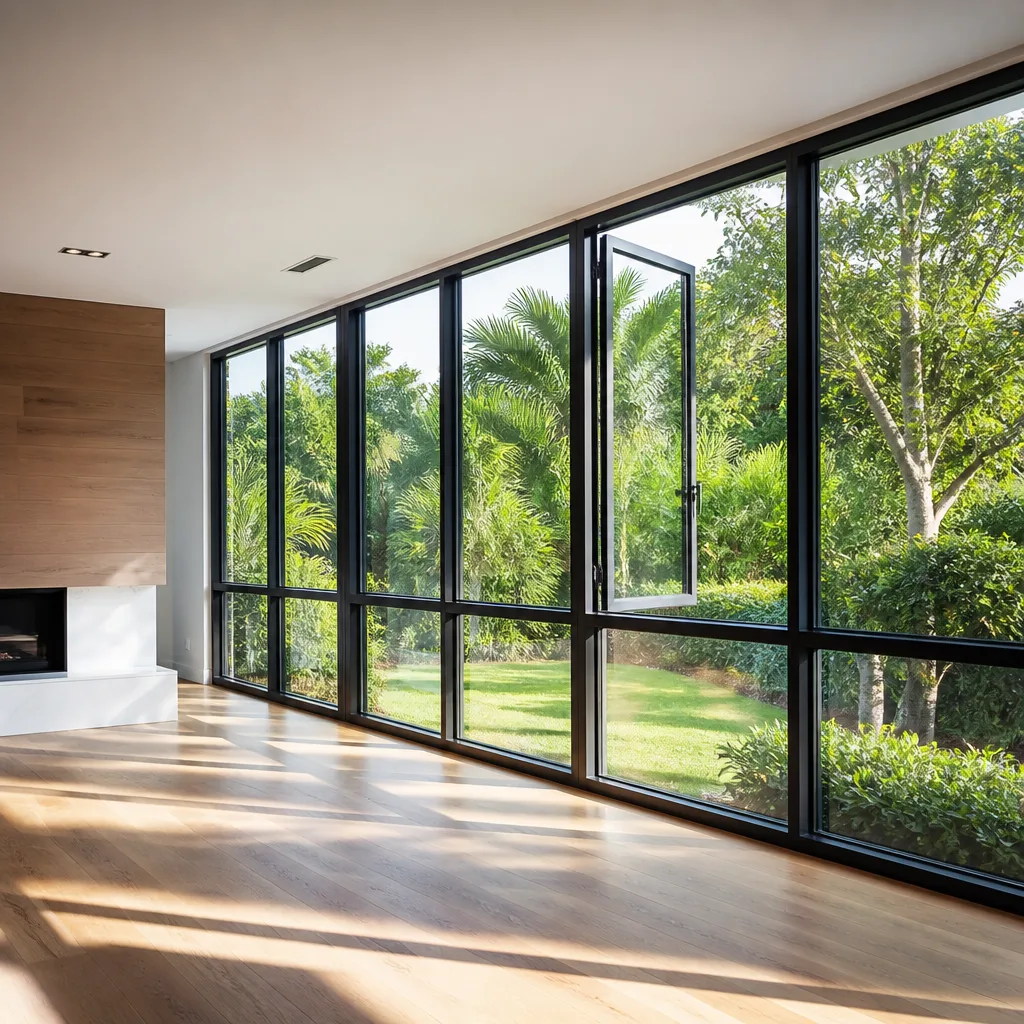
Condensation on interior glass surfaces is the most misread signal in Pinewood homes. Homeowners see moisture and assume seal failure - which triggers unnecessary door replacement or window replacement consultations. In most cases, the condensation is telling a different story.
Distinguishing Seal Failure from HVAC Imbalance
Insulated glass units (IGUs) with failed seals show condensation between the panes, not on the interior surface. This is permanent, does not respond to HVAC adjustments, and typically appears as a haze or fog that persists for days. If you can wipe the moisture with a cloth, it is not seal failure.
Interior surface condensation indicates one of three conditions:
- High interior humidity with cold glass surface: Common in Pinewood during July and August when interior relative humidity climbs above 60% and the glass surface temperature drops below the dew point. The solution is HVAC adjustment or localized dehumidification, not window replacement.
- Air leakage around the frame: Warm, humid exterior air infiltrates at the frame perimeter, contacts the conditioned interior surface, and condenses. This typically appears as streaking or localized wetting at the corners or along the sill. The fix is sealant or weatherstrip repair at the frame-wall interface.
- Missing or compromised thermal break: In aluminum-framed units, a failed thermal break allows exterior temperature to reach the interior frame surface, creating a condensation zone that follows the frame geometry. This requires frame evaluation, not glass replacement.
We document this distinction on every wet-season call in Pinewood because the cost differential is significant: HVAC adjustment or localized dehumidification runs $0-$300; unnecessary IGU replacement runs $400-$900 per unit.
Weekly Monitoring Routine
During peak wet season, perform a five-minute walk-through every Sunday evening:
- Check interior glass surfaces after sunset, when the glass has cooled and condensation is most visible.
- Note the pattern: full surface, frame-adjacent streaks, or corner pooling. Photograph anything new.
- Verify that weep holes remain clear after each heavy rain event.
- Sniff for mustiness at window and door perimeters - early mold colonization produces a detectable odor before visible growth.
If you document interior-surface condensation that persists after HVAC adjustment, or between-pane haze that does not clear, schedule a professional evaluation. The 365-Day Done Right Promise covers seal-failure diagnosis, and the written scope will distinguish between environmental and component causes.
October-November Post-Storm Assessment: Frame, Anchor, and Flashing Inspection
After any named storm passes within 50 miles of Pinewood - whether or not you experienced visible damage - every opening needs inspection within 48 hours. Water intrusion that sits undisturbed for more than 48 hours in Pinewood’s residual humidity begins mold colonization. The inspection sequence matters; start at the bottom and work up.
The 48-Hour Post-Storm Sequence
Step 1: Sill and Track Drainage
Remove any standing water from door tracks and window sills. Check that weep holes are evacuating residual water. If water remains 30 minutes after the rain stops, the drainage path is compromised.
Step 2: Frame Racking Check
Place a level on the sill of every door and sliding window. In Pinewood’s sandy soils, sustained wind load can shift patio door frames enough to create binding in the operating panel - typically 1/16 to 1/8 inch out of level. This is enough to compromise the lock engagement and weatherstrip compression. Mark any out-of-level condition for adjustment.
Step 3: Anchor and Fastener Survey
Inspect exposed fasteners at frame corners and mullion joints. Look for:
- Corrosion blooming on stainless fasteners (indicates galvanic reaction with aluminum frame, not material failure)
- Backed-out screws, visible as raised heads or stripped paint rings
- Cracked or displaced frame corners where the anchor has pulled
Step 4: Sill Flashing Integrity
This is the inspection that prevents the most interior damage. The sill flashing - the waterproof membrane beneath the door or window that directs water to the exterior - is not visible without removing trim in most installations. But you can read its condition indirectly:
- Check for water staining or swelling on interior baseboards directly below openings.
- Probe any soft spots in drywall at the sill corner with a blunt tool - a healthy wall is firm; compromised drywall yields.
- Look for efflorescence (white mineral deposits) on exterior stucco below the sill, which indicates water is escaping through the wall rather than the drainage system.
If any of these indicators appear, the flashing may have lifted, torn, or been improperly lapped during original installation. This is not a homeowner repair; it requires frame removal and reinstallation with proper membrane integration.
Step 5: Glass Impact Survey
Only after completing steps 1-4 do you inspect the glass itself. Impact-rated glass that has been struck by debris may show spiderweb cracking in the outer lite while maintaining the structural inner lite. This is a protected condition, not an emergency - but it does compromise the unit’s ability to resist a second impact. Document with photos and schedule replacement within the dry season.
Documentation for Insurance and Resale
Every post-storm inspection should produce dated photos, a written condition summary, and any professional evaluation reports. In Pinewood’s active real estate market, a documented maintenance history with storm-specific assessments adds demonstrable value at resale. Buyers and their insurers increasingly request this record. Budgeting context is available in our Windows & Doors Cost Breakdown: The Pinewood Homeowner’s Reference for 2026.
December-March Dry-Season Maintenance: UV Sealant and Hardware Cycles
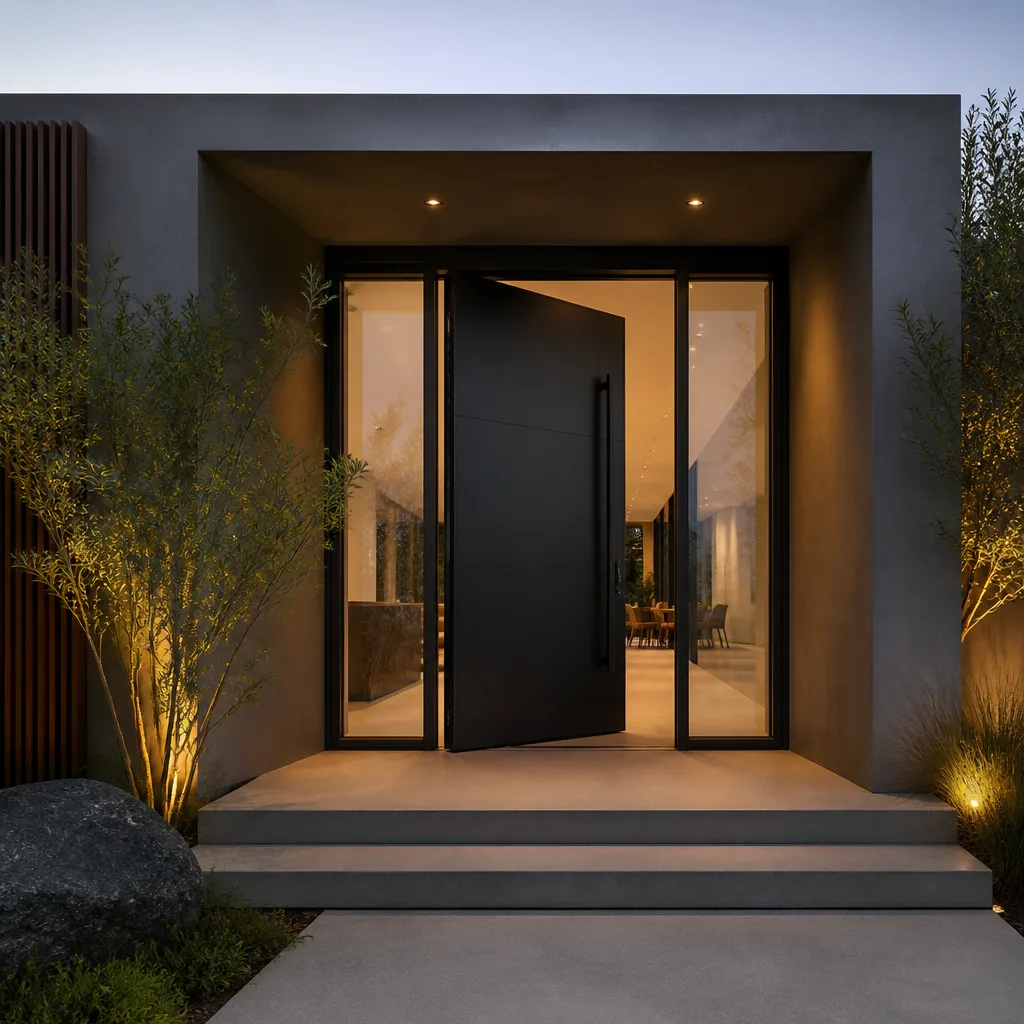
December through March is the only window in Pinewood’s calendar when exterior sealant work is reliably viable. Relative humidity drops to 45-60%, temperatures moderate to 65-78°F, and afternoon rain events diminish. Sealant applied during this period cures with proper adhesion and elasticity. The same work attempted in May often fails by November.
UV Sealant Reapplication Windows
Not every opening needs annual resealing. The correct interval depends on sealant type, exposure, and original application quality:
- Polyurethane sealants (common in pre-2015 installations): 3-5 year reapplication cycle, shorter on south and west elevations
- Silicone sealants (specified by PGT and CGI for frame perimeter): 7-10 year cycle, but inspect annually for bond-line separation
- Hybrid sealants (silyl-terminated polyether, increasingly specified for Pinewood’s UV load): 10-15 year cycle with annual inspection
The reapplication protocol:
- Remove failed sealant completely - partial removal guarantees premature failure of the new bead
- Clean the joint with isopropyl alcohol and allow to dry
- Apply backer rod if the joint depth exceeds 1/4 inch
- Tool the new sealant to a concave profile that sheds water
- Allow 48-72 hours cure time before water exposure
In Pinewood, we schedule the bulk of our sealant remediation work during January and February. The reduced humidity means we can guarantee the cure conditions that Haven Clause 5 (No surprises) requires.
Hardware Lubrication Schedule
High-cycle openings - primary entry doors, patio sliders used daily, bedroom windows opened for ventilation - need annual lubrication. The dry season is optimal because:
- Lower humidity means lubricant adheres rather than emulsifies
- Reduced pollen load keeps lubricated surfaces cleaner longer
- Pre-season preparation is complete before April testing begins
Use a dry PTFE lubricant on multipoint lock mechanisms and a light machine oil on hinge pins. Avoid silicone sprays near glass; they leave a film that attracts particulate and creates a cleaning problem. After lubrication, cycle each component 10 times to distribute the lubricant and verify smooth operation.
For door installations in Pinewood that include Therma-Tru fiberglass entry systems, the adjustable hinge system requires specific torque settings that we document on the measured survey the customer keeps. If you’ve lost this document, a replacement can be generated from our job records.
Building Your Written Seasonal Care Record
The most valuable document in a Pinewood window and door maintenance program is not the manufacturer’s warranty - it’s the dated, sequential log that proves the maintenance was performed. This record serves three functions: it supports insurance claims by establishing pre-event condition; it satisfies resale disclosure requirements; and it prevents redundant work by documenting what was done when.
The One-Page Log Template
We recommend a simple format, maintained as a single running document:
PROPERTY: [Address]
INSTALLATION DATE: [Original window/door install date]
MANUFACTURER LINES: [PGT, CGI, CWS, Therma-Tru, etc.]
INSPECTION RECORD:
| Date | Season/Trigger | Openings Inspected | Findings | Action Taken | Next Action Due |
|---|---|---|---|---|---|
| Example: 4/15/2025 | Pre-season | All 12 | North patio door multipoint binding at center lock | Strike plate adjusted, torque test passed | 10/15/2025 post-storm |
Photographs should be stored with date stamps in a dedicated folder, labeled by opening location: “FrontDoor_20250415_Sealant” or “MBRWindow_20251015_PostNicole.”
For homeowners seeking more guides & resources, this might seem excessive. But in our experience, the Pinewood homeowners who recover fastest from storm damage and command the highest resale prices are those who can produce a five-year maintenance record in writing. The Haven Standard’s Evidence on Every Job clause extends to the customer’s own documentation - we provide the measured survey and photo record from our work; you maintain the seasonal log that contextualizes it.
Common Mistakes to Avoid
- Inspecting glass first after storms. Frame, flashing, and drainage failures cause more interior damage than broken glass in impact-rated installations. Glass inspection should be the final step, not the first.
- Applying sealant during wet season. Pinewood’s May-through-October humidity prevents proper cure. Sealant applied in June often shows bond failure by December. Wait for relative humidity below 60%.
- Using silicone spray on multipoint locks. Silicone attracts dust and grit, accelerating wear. Dry PTFE lubricant maintains function without the particulate accumulation that Pinewood’s pollen seasons exacerbate.
- Ignoring binding until it becomes inoperable. A multipoint lock that requires extra force in April will fail completely under storm-load pressure in August. Address binding when you first notice it.
- Skipping documentation because “nothing was wrong.” The absence of findings is itself a finding. A clean pre-season inspection establishes the baseline that proves storm causation for insurance.
- Assuming impact rating equals maintenance-free. Impact-rated openings are engineered to resist debris strike once. They are not immune to sealant degradation, hardware corrosion, or frame settlement. The rating is a performance specification, not a durability guarantee.
- Confusing interior condensation with seal failure. In Pinewood’s wet season, 70% of the condensation calls we evaluate are HVAC-related. Wipe the glass - if the moisture is on the surface you can touch, the IGU seal is intact.
When to Call a Professional
Certain conditions exceed homeowner maintenance scope and require trained evaluation. Call for professional assessment if you find: between-pane condensation that persists more than 72 hours; sill or track water that does not drain within 30 minutes; frame racking visible to the eye or measurable with a level; any fastener that has backed out or any anchor that has displaced; interior drywall softening or staining below any opening; or a multipoint lock that cannot be engaged with moderate, steady effort.
These conditions indicate structural, waterproofing, or hardware failures that proper maintenance could not have prevented - and that improper DIY repair can compound. Sightline Windows & Doors Pinewood offers free estimates in Pinewood. Call (786) 574-6217 to schedule a measured survey. You’ll receive a written scope, a named price, and a documented photo record - Haven Clause 1 through 5, applied to diagnosis before any work is proposed.
Frequently Asked Questions
DIY seasonal maintenance costs $50-$150 in materials (sealant, lubricant, basic tools) for a typical 2,000-square-foot home. Professional inspection and tune-up of all openings runs $200-$400, with sealant remediation adding $8-$15 per linear foot of joint replacement. Call (786) 574-6217 for an exact quote on your specific openings - estimates are free, and we review competitor written estimates at no charge.
Impact windows need formal inspection twice yearly: pre-season in April-May and post-storm within 48 hours of any named storm passing within 50 miles. Weekly five-minute visual checks during peak hurricane season (August-October) catch drainage and condensation issues before they become failures.
No. Haven Clause 1 (Have it in writing) means the measured survey and the written quote are the same document. The price we name before work starts is the price on the final invoice. This has been true for every one of the 18,000+ openings we’ve touched since 2012.
Routine maintenance - sealant replacement, hardware adjustment, weatherstrip replacement - does not require permitting in Miami-Dade County. Frame removal, glass replacement in impact-rated units, or any structural modification does require permit and inspection. We pull all required permits as standard practice on replacement work, with inspection scheduling included in the written scope.
Between-pane condensation indicates seal failure in the insulated glass unit. The desiccant inside the spacer bar has saturated, and the unit has lost its insulating gas fill. This is a permanent condition that requires IGU replacement or full unit replacement, depending on frame compatibility. It is not caused by Pinewood’s humidity and cannot be fixed by HVAC adjustment.
A full inspection and tune-up of 12-15 openings takes 2.5-4 hours for a two-person crew. Sealant remediation adds 30-60 minutes per opening depending on joint condition and elevation access. We schedule morning starts to complete before afternoon convection builds, and we leave a documented photo record of every opening inspected.
We evaluate and maintain all major manufacturer lines, including those we did not originally install. Our product knowledge spans PGT, CGI, CWS, ES Windows, ECO Window Systems, Mr-Glass, Therma-Tru, and ViewLux specifications, and we can source replacement hardware and components for most brands active in the Pinewood market since 2012.
The Bottom Line
Pinewood’s climate demands a maintenance calendar built around actual conditions, not temperate four-season assumptions. The six weeks before June 1 are for lock torque tests and sealant baseline documentation. June through September is for reading condensation patterns and keeping drainage clear. October and November are for frame, anchor, and flashing inspection after any storm threat. December through March is the only reliable window for exterior sealant work and hardware lubrication. A written log ties it together, converting routine care into documented asset protection. The homeowners who recover fastest from tropical events and command the strongest resale positions are those who can produce the record - not those who spent the most.
Written by Sonia Raman, Owner at Sightline Windows & Doors Pinewood, serving Pinewood since 2012.
Six Reasons Homeowners Choose Sightline Windows & Doors Pinewood
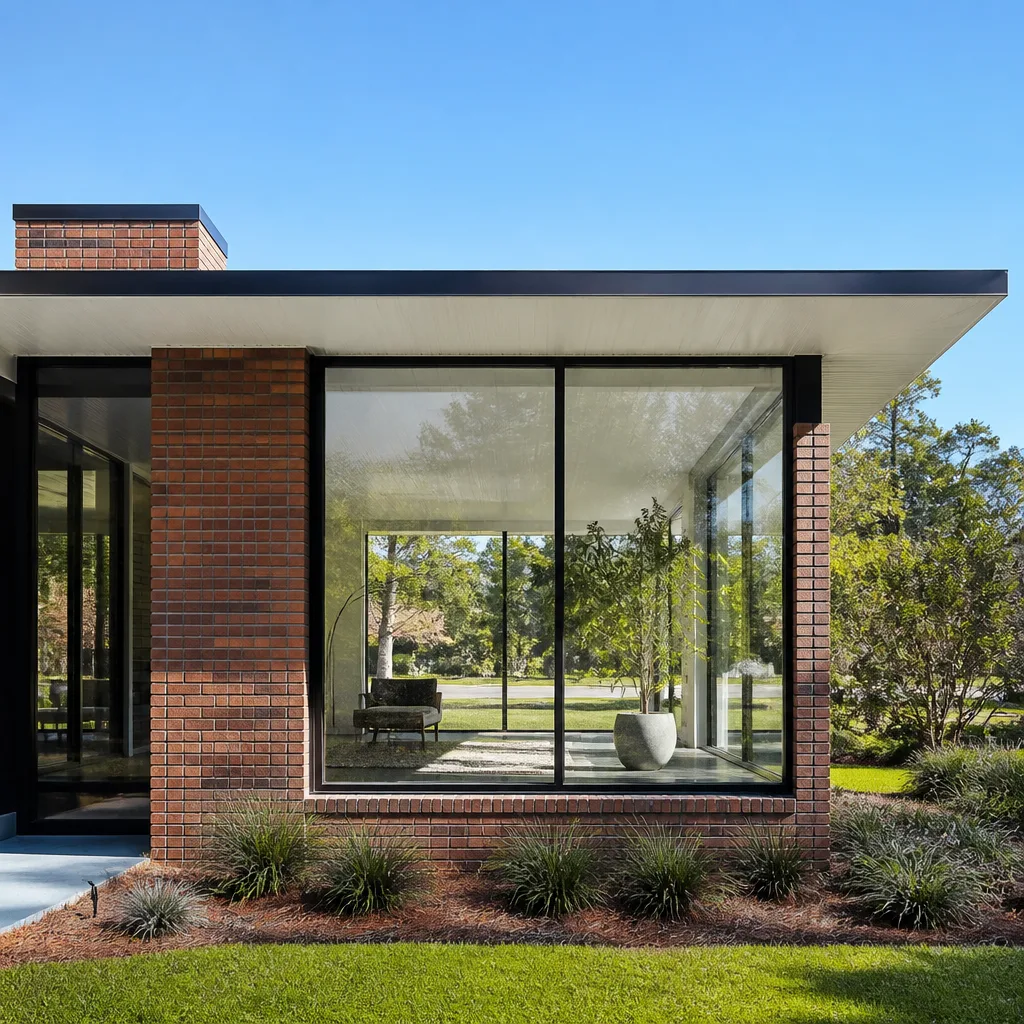
Impact systems engineered to design pressures up to +/-100, matched to your wind zone - your openings hold when the storm arrives.
Low-E insulated impact glass from our manufacturer lines commonly cuts monthly cooling bills 20-30%.
Laminated impact glass shuts out up to 40% of outside noise - traffic, neighbors, weather.
Monitoring services run $30-90 a month. Laminated impact glass resists forced entry around the clock, with no subscription.
Florida homeowners average around 25% savings on the windstorm portion of their policy after protecting every opening - some homes qualify for more.
A full impact package upgrades curb appeal, buyer confidence and appraised value in one project.
Other Sightline Windows & Doors Pinewood Services
What Neighbors Say About Sightline Windows & Doors Pinewood