Last updated September 24, 2026
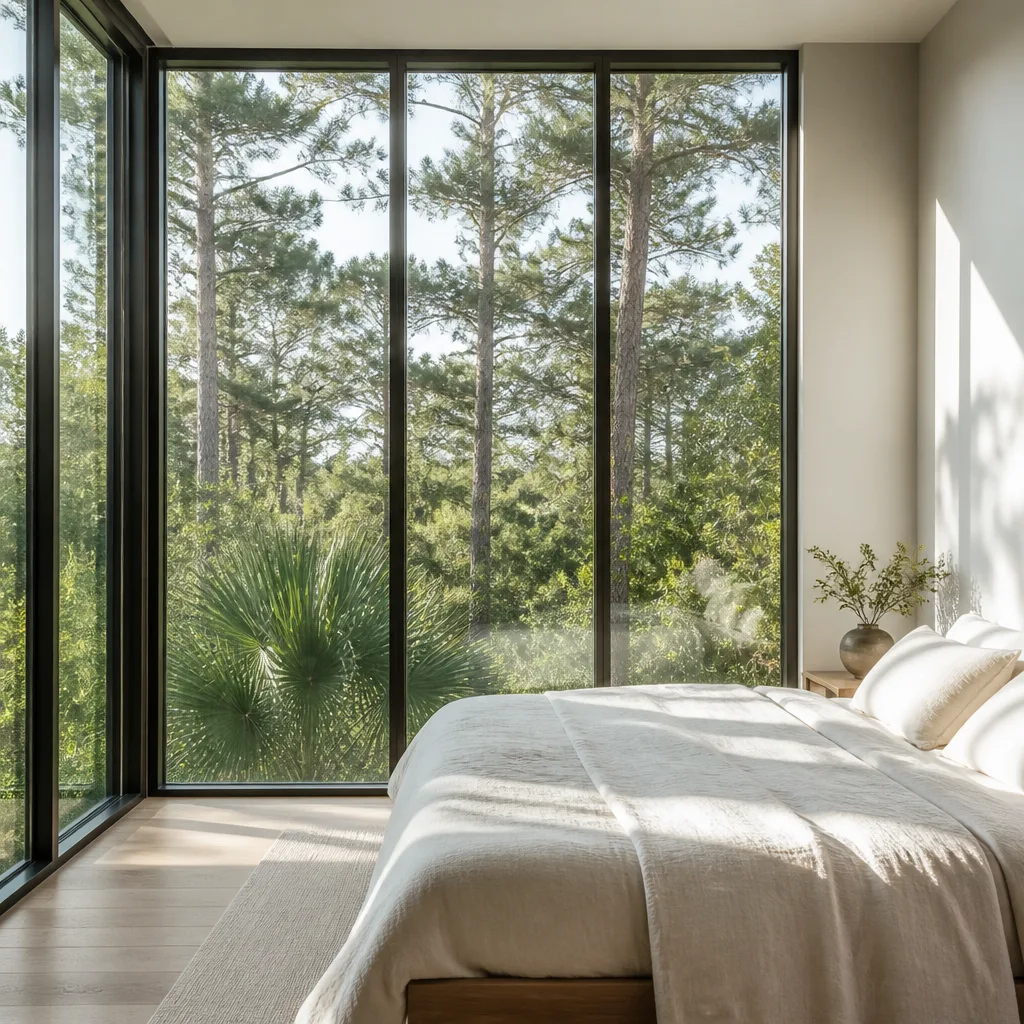
New windows and doors improve comfort, cut energy bills and add long-term value to your home. Sightline Windows & Doors Pinewood pairs proven product lines with our own installing crews for lasting performance - and a price we put in writing.
1. Choose your installer
The unit is half the job - the install is the other half. Our own background-checked crews measure, set, seal and insulate every opening, and they know the lines we quote inside and out because they install them every week.
2. Select the right products
Compare styles, materials and glass packages side by side until the fit is right for your rooms, your budget and your goals. The product-line comparison below is the place to start.
3. Prepare your home for install
Before install day we walk you through a short checklist - furniture pulled back, treatments down, a clear path to each opening - so install day is watch-it-happen, not scramble.
Compare the Lines We Quote
Every project is priced on the same lines, side by side - the price indicators below are relative, and your consultant shows exact numbers on your actual openings.
PGTThe line Florida homeowners arrive naming - the most Miami-Dade certifications in the industry$$$
- More Miami-Dade NOA certifications than any other line we quote
- WinGuard, EnergyVue and ClassicVue Max systems built for every wind zone
- 99% on-time delivery keeps your install date on the calendar
CGIThe heavyweight impact line$$$$$
- Large-missile impact ratings for the strictest wind zones
- Architectural-grade aluminum with commercial-depth frames
- The line we quote when protection is the whole point
CWSThe Florida value pick$$
- Vinyl systems built in Florida for Florida codes
- Strong energy packages at the friendliest price point
- The smart start for whole-home replacements on a budget
ESWSlim lines, big glass$$$$
- Narrow-sightline aluminum for modern elevations
- Oversized openings and floor-to-ceiling glass
- Impact-rated without the bunker look
ECOThe aluminum impact workhorse$$$
- Miami-built aluminum impact systems
- A strong price-to-protection ratio for coastal homes
- Proven inventory lines with short lead times
DIY vs Professional Windows & Doors: The Pinewood Homeowner’s Decision Guide
Florida Building Code Section 105.1 lets homeowners pull their own permits, but here’s what most Pinewood residents miss: Florida Product Approval rules require the installer to certify the installation method for impact-rated products, and a homeowner cannot legally provide that certification. That single requirement eliminates DIY as a legal option for the majority of window and door replacements in our wind-speed zone. In this guide and our more guides & resources, we’ll walk through exactly where the DIY line sits for Pinewood properties, what permits you can and cannot self-perform, how unpermitted work affects your insurance coverage, and what a documented professional installation actually costs compared to the hidden price of doing it yourself.
Quick Answer

Most window and door replacement in Pinewood cannot legally be performed DIY because Florida Product Approval requires installer certification for impact-rated assemblies, which covers the majority of openings in Miami-Dade’s High-Velocity Hurricane Zone. The narrow exceptions are glass-only replacements in non-impact zones, weatherstrip maintenance, and hardware swaps - each with a specific permit threshold. For everything else, a licensed contractor must pull the permit and certify the installation, or your homeowners insurance can deny future wind and water damage claims tied to that opening.
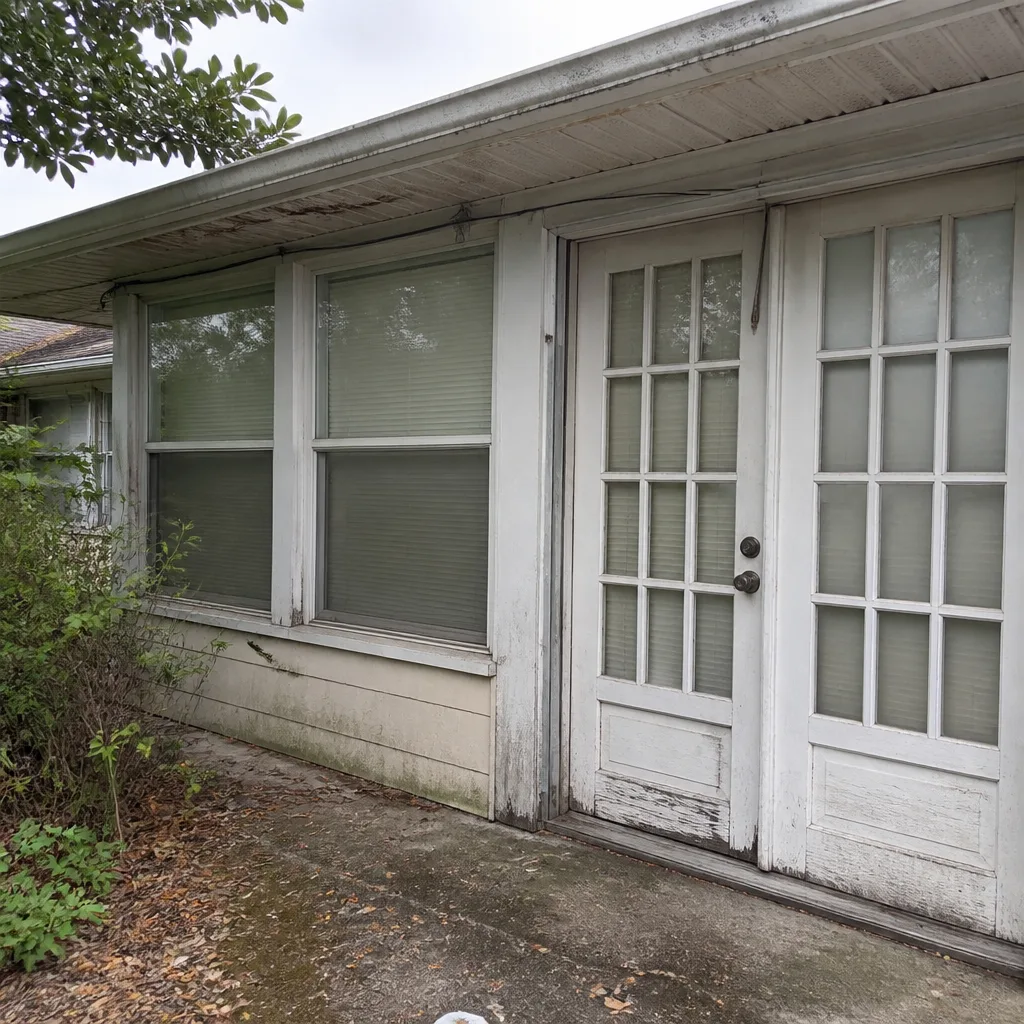 Before
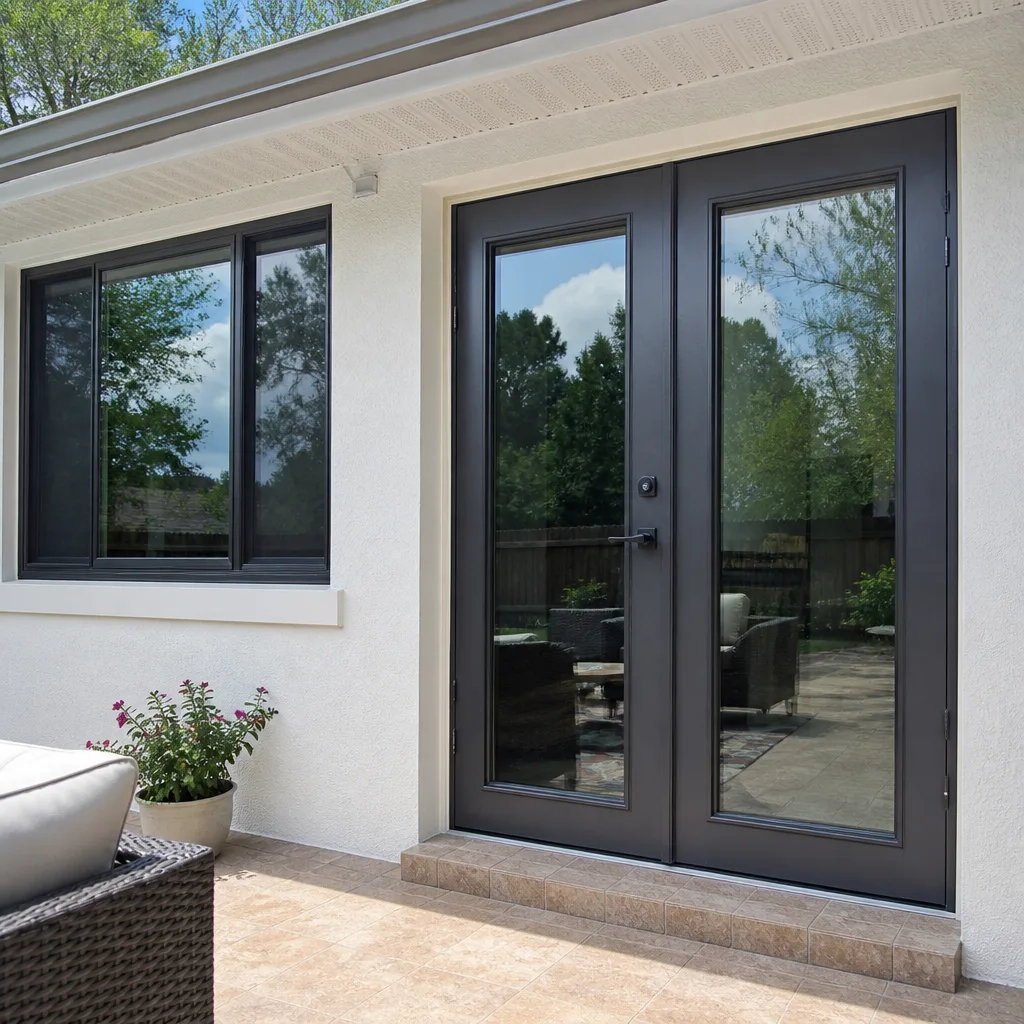 After
AfterTable of Contents
- The Legal Landscape: What Florida Actually Allows Homeowners to Self-Install
- The Narrow Category of Truly DIY-Eligible Window Work in Pinewood
- How Unpermitted Work Affects Your Homeowners Insurance in Florida
- The Real Cost Comparison: DIY vs. Professional in Pinewood Market Terms
- What to Verify When You Hire a Professional Installer
- Florida Product Approval and Why It Matters for Your Opening
- Common Mistakes to Avoid
- When to Call a Professional
- Frequently Asked Questions
- The Bottom Line
The Legal Landscape: What Florida Actually Allows Homeowners to Self-Install
Florida’s owner-builder statute looks permissive on paper. Florida Building Code Section 105.1 allows property owners to act as their own contractor and pull permits for work on their primary residence. But the statute comes with a disclosure form, DBPR Form OB-1, that most homeowners never read in full. That form limits what you can install, restricts your ability to sell the property within one year without disclosure, and voids certain insurance protections if the work fails inspection.
The DBPR Form OB-1 requires the owner-builder to acknowledge that they are “assuming all responsibility for the work” and that they “may be held liable for failure to comply with building codes.” In Pinewood, which falls under Miami-Dade County’s jurisdiction, this means compliance with the High-Velocity Hurricane Zone provisions of the Florida Building Code. The form also requires disclosure to any buyer within 12 months that the work was performed under owner-builder status, which can trigger additional inspection requirements and affect resale timing.
Here’s where the DIY path narrows dramatically. The owner-builder exemption applies to the permit-pulling process, not to product certification. Florida Statute 553.842 requires that impact-resistant windows and doors carry a Florida Product Approval, and the installation method must be performed according to the manufacturer’s approved installation instructions. Those instructions typically specify that a licensed contractor or certified installer must perform the work to maintain the product warranty and the approval status.
What this means in practice: you can pull the permit, but you cannot legally certify that the installation meets the Product Approval requirements for impact-rated assemblies. The Florida Department of Business and Professional Regulation has clarified that manufacturer certification of the installer is separate from the owner-builder permit exemption. If you install a PGT WinGuard or CGI Sentinel product yourself, you have no path to document that the installation meets the approved method, even if the work is technically competent.
For Pinewood homeowners, this is not a theoretical concern. Miami-Dade County’s building department enforces Product Approval compliance through final inspection, and inspectors will request the installer’s certification documentation. Without it, the Certificate of Completion does not issue, and the permit remains open. An open permit becomes a title defect and a red flag for insurance underwriters.
The Narrow Category of Truly DIY-Eligible Window Work in Pinewood
Not all window and door work requires Product Approval certification. Three categories remain genuinely DIY-eligible for Pinewood homeowners, each with a precise boundary where permitted work begins.
Category 1: Glass-Only Replacement in Non-Impact Zones
If your home has non-impact windows and you are replacing only the insulated glass unit (IGU), not the frame or the anchoring system, this work falls below the Product Approval threshold. The key limitation: the existing frame must remain intact, and you must use glass of the same thickness and type as the original. In Pinewood’s older stock, particularly the ranch-style homes built between 1955 and 1975 in neighborhoods like Pinewood Park and the area near North Miami Avenue, many windows are single-pane or early double-pane assemblies without impact ratings. Replacing fogged glass in these frames is DIY-eligible.
The line where this becomes permitted work: if the frame is damaged and requires replacement, or if you upgrade to impact-rated glass that requires a different glazing bead or anchoring method, you have crossed into Product Approval territory. The Miami-Dade building department considers any change to the frame or anchoring system to be a new installation, not a repair.
Category 2: Weatherstrip and Seal Replacement
Replacing worn weatherstripping, cleaning and resealing perimeter caulk, and adjusting sash balances are maintenance items that do not require permits. For a full seasonal routine, see our Seasonal Windows & Doors Care for Pinewood: Year-Round Homeowner’s Guide. This work preserves the existing assembly’s performance without altering its certified configuration. For Pinewood homes near the Little River or in areas with higher humidity exposure, weatherstrip degradation is a common maintenance issue that homeowners can address directly.
The boundary: if the seal replacement requires removing the sash from the frame, or if you are replacing the entire jamb liner or balance system on a tilt-wash window, check with Miami-Dade’s permit desk. Some jurisdictions classify balance system replacement as component replacement requiring a minor permit.
Category 3: Hardware and Lock Replacement
Handle sets, locks, and tilt latches are user-serviceable components. Replacement hardware must match the original manufacturer’s specifications to maintain the assembly’s operation. For older Pinewood homes with original steel windows or early aluminum frames, finding matching hardware may require specialty suppliers, but the work itself remains DIY-eligible.
The boundary: if the hardware replacement requires drilling new holes in the frame, modifying the keeper or strike plate location, or altering the locking mechanism’s engagement with the frame, you may have altered the assembly’s tested performance. For impact-rated windows, this voids the Product Approval.
What Is Never DIY-Eligible in Pinewood
- Full-frame window or door replacement in any wind-borne debris region
- Installation of impact-rated products, including ES Windows, ECO Window Systems, or Mr-Glass assemblies
- Sliding glass door replacement or conversion to French door configuration
- Garage door replacement with impact-rated products
- Any work that changes the rough opening dimensions or structural header
- Work on condominiums or townhomes, where the association typically holds the master permit authority
How Unpermitted Work Affects Your Homeowners Insurance in Florida
This is the section most DIY guides omit, and it is the most expensive oversight a Pinewood homeowner can make. Florida Statute 627.70132 allows property insurers to deny claims for water and wind damage when the damage is “caused in whole or in part by” an alteration or modification that was not performed under a valid permit and Certificate of Completion. The statute does not require the insurer to prove that the unpermitted work caused the damage, only that it contributed to the loss.
In practice, this means that if you replace your windows without proper permits and a hurricane or severe storm causes water intrusion at that opening, your insurer can deny the entire claim for that room or elevation. We have reviewed claims where carriers denied $40,000+ in interior damage because a single window lacked a Certificate of Completion, even though the window itself did not fail. The carrier’s position: we cannot verify that the installation met wind-load requirements, so we cannot exclude the installation as a contributing factor.
Florida’s insurance market has tightened significantly since 2022, and carriers are increasingly requesting permit documentation for claims involving opening damage. Citizens Property Insurance Corporation, the state-backed insurer of last resort that covers many Pinewood properties, has explicit language in its policy conditions requiring “all alterations and additions” to be “duly permitted and inspected.” Private carriers have followed suit with similar endorsements.
The financial exposure extends beyond the immediate claim denial. An unpermitted opening can trigger a policy non-renewal or a requirement to bring the work into compliance at the homeowner’s expense before coverage continues. In Pinewood’s market, where replacement cost values often exceed $400 per square foot, a policy lapse or non-renewal can make refinancing or sale impossible until the work is permitted and inspected retroactively, a process that costs significantly more than original permitted installation.
The Real Cost Comparison: DIY vs. Professional in Pinewood Market Terms
Homeowners considering DIY typically compare product cost alone. A complete analysis requires adding permit risk, callback labor, and the cost of documentation that protects your insurance coverage. Here is the actual comparison for a standard three-opening single-hung replacement in a Pinewood single-family home, based on 2024-2025 market conditions.
DIY Path: Itemized Costs
| Item | Cost Range |
|---|---|
| Three impact-rated single-hung windows, mid-tier (e.g., ECO Window Systems or comparable) | $1,800 – $2,700 |
| Installation materials: fasteners, flashing, sealants, shims | $280 – $420 |
| Tool rental or purchase: brake, nail gun, level, etc. | $200 – $500 |
| Permit application (if pulled as owner-builder) | $180 – $350 |
| Dumpster or debris disposal | $150 – $300 |
| Callback labor for air infiltration or water intrusion issues (60% of DIY installations require some callback) | $400 – $1,200 |
| Retrofit permit and inspection if initial work fails or lacks documentation | $500 – $1,500 |
| DIY Total with Risk Adjustment | $3,510 – $6,970 |
Professional Path: Sightline Windows & Doors Pinewood
| Item | Cost Range |
|---|---|
| Three impact-rated single-hung windows, mid-tier, with measured survey | $2,400 – $3,600 |
| Professional installation with permit, inspection, and Certificate of Completion | Included in product price |
| Installation materials and specialized fasteners | Included |
| Debris removal and site protection | Included |
| 365-Day Done Right Promise callback coverage | Included |
| Documented photo record of installation | Included |
| Written warranty and insurance-compliant documentation | Included |
| Professional Total | $2,400 – $3,600 |
The professional path, under Haven Clause 1, delivers a written price before any work starts. That written price is the measured survey document the customer keeps. There is no change order because the measurement and the quote are the same document. For Pinewood homeowners, the professional installation often costs less than the DIY path when callback risk and insurance exposure are included, and it delivers documentation that the DIY path cannot produce.
The gap widens for more complex openings. A Window Installation in Pinewood involving custom sizes, geometric shapes, or structural modifications carries higher DIY failure rates and more expensive callback costs. The professional path scales without adding uncovered risk.
What to Verify When You Hire a Professional Installer
Not every professional installation is equal. Before you hire, read our How to Hire a Windows & Doors Contractor in Pinewood: A Step-by-Step Guide. In Pinewood’s market, some homeowners hire a contractor who pulls the permit but subcontracts the actual installation to an unlicensed crew. This creates a documentation gap that exposes the homeowner to the same insurance risks as DIY work.
Here is the verification process we recommend, based on what we have documented across 18,000+ installations:
- Request the license number and verify it with the DBPR. The license should be active and in good standing, with no disciplinary history for unlicensed subcontracting. In Florida, a Certified Building Contractor (CBC) or Registered Residential Contractor can perform window and door installation. A handyman license or local business tax receipt is not sufficient for permitted work.
- Confirm that the licensed contractor will be present on site. Haven Clause 3 requires verified crews, meaning the person on the record is the person at your door. Ask directly: will the licensee supervise the installation, or will it be performed entirely by employees? If the answer involves a “partner” or “crew we use,” request the subcontractor’s license information.
- Request the permit application before work begins. The permit should list the contractor’s license number, the property address, and the scope of work. For Pinewood properties, verify that Miami-Dade County is the issuing authority and that the permit includes the Product Approval numbers for the specific products being installed.
- Verify insurance coverage. The contractor should carry general liability insurance and workers’ compensation coverage. Request a certificate of insurance naming you as additional insured for the project duration. Uninsured worker injuries on your property can become your liability under Florida’s construction lien laws.
- Confirm the documentation you will receive. Under Haven Clause 4, you should receive a measured survey, a written scope, a photo record, and a written warranty. Ask what specific documents you will have at project completion. If the answer is “the permit,” that is insufficient for insurance protection.
- Check the Product Approval match. The products specified in your quote should match the Product Approval numbers on the permit. A Therma-Tru door, for example, should reference the specific Florida Product Approval for that door system, not a generic approval for the manufacturer. Mismatched approvals fail inspection.
The paper trail matters because Florida courts have held homeowners liable for unlicensed subcontracting when the primary contractor did not supervise the work. In Colonial Discount Corp. v. Avon Motors, Inc., the court established that a property owner can be deemed the employer of unlicensed workers if the licensed contractor delegates performance without oversight. For a Pinewood homeowner, this means verifying the chain of responsibility before the first window comes out of the frame.
Florida Product Approval and Why It Matters for Your Opening
Florida Product Approval is not a quality rating. It is a legal designation that a product and its installation method have been tested to withstand the wind-borne debris and pressure cycling requirements of the Florida Building Code. For Pinewood, located in Miami-Dade’s High-Velocity Hurricane Zone, this means testing to missile impact standards and cyclic pressure loading that simulates hurricane conditions.
The Product Approval system creates a closed loop: the manufacturer tests a specific product in a specific configuration, documents the installation method, and the installer certifies that the method was followed. Without that certification, the loop is broken and the approval does not attach to your specific installation.
This is why DIY installation of impact-rated products is legally impossible, not merely inadvisable. The certification step requires a qualified party, and Florida law defines that party as the licensed installer or a manufacturer-certified contractor. A homeowner cannot self-certify under any provision of the Florida Building Code or the DBPR regulations.
For Pinewood homeowners considering Window Replacement in Pinewood, the Product Approval requirement affects product selection as well. Eight manufacturer lines carry the approvals required for our zone: PGT, CGI, CWS, ES Windows, ECO Window Systems, Mr-Glass, Therma-Tru, and ViewLux. Each product must be specified by performance tier and price range for the specific opening, not selected from stock. A window that carries Product Approval for a single-family residence may not carry the same approval for a multi-story installation or a different structural substrate.
The documentation you should receive at completion includes: the permit, the inspection results, the Certificate of Completion, and the manufacturer’s installation certification. For a complete breakdown, download our Window Installation Maintenance Checklist for Pinewood Homeowners. These documents travel together. If your installer cannot produce all four, your installation lacks the legal protection that the Product Approval system is designed to provide.
Common Mistakes to Avoid
- Assuming the owner-builder exemption covers all work. The exemption lets you pull the permit, not certify the installation method. For impact-rated products, these are separate requirements, and the second one eliminates DIY for most Pinewood openings.
- Buying products online without verifying Miami-Dade NOA compliance. Windows sold through national retailers may carry Florida Product Approval, but not for Miami-Dade’s HVHZ requirements. The Notice of Acceptance (NOA) from Miami-Dade County is stricter than the statewide approval, and Pinewood falls under the NOA jurisdiction.
- Hiring based on lowest quote without verifying permit inclusion. Some contractors quote without permit costs to appear competitive, then add them later or skip permitting entirely. A written price under Haven Clause 1 includes all costs, including permit, inspection, and documentation.
- Replacing windows before understanding insurance notification requirements. Some Florida policies require notification before structural alterations. An unreported window replacement can void coverage for that elevation even if the work is properly permitted.
- Accepting verbal warranty terms without written documentation. The 365-Day Done Right Promise is written into the Haven Standard, not offered as a courtesy. If your contractor’s warranty is not in writing with specific remedy language, it may not be enforceable.
- Failing to verify that the installing crew matches the permit. In Pinewood’s busy season, some contractors pull permits under one license and send unlicensed crews. The permit is valid, but the installation lacks proper supervision and the certification chain is broken.
- Ignoring the one-year owner-builder sale restriction. If you do perform eligible DIY work under the owner-builder exemption, you must disclose this to any buyer within 12 months. Failure to disclose is a material misrepresentation that can support rescission of the sale.
When to Call a Professional
Call a professional when the work involves: impact-rated products, full-frame replacement, any alteration to the rough opening, sliding or patio door replacement, garage door replacement, work on multi-family properties, or any installation where insurance documentation is required. These categories cover the majority of window and door work in Pinewood.
Even for DIY-eligible maintenance, consider professional service if you observe: frame rot or water staining that suggests hidden damage, fogging between panes that indicates seal failure in an IGU, or operation problems that may stem from foundation settlement rather than component wear. These symptoms often mask permitted work that a homeowner cannot legally self-perform.
Sightline Windows & Doors Pinewood home offers free estimates throughout Pinewood. Our measured survey produces a written price you keep, with no obligation. Call (786) 574-6217 to schedule. We also provide free second opinions on any written estimate from another contractor - bring us their scope and we will review it against what the opening actually requires.
Frequently Asked Questions
You can pull the permit under Florida’s owner-builder exemption, but you cannot legally install impact-rated products because Florida Product Approval requires installer certification that a homeowner cannot provide. For non-impact glass-only replacements in existing frames, DIY remains eligible. Call (786) 574-6217 for a free estimate if you are unsure which category your opening falls into - estimates are free.
Professional installation for three standard single-hung impact windows in Pinewood typically runs $2,400-$3,600 including permit, inspection, and documentation. The comparable DIY path, including product, materials, tools, permit, and realistic callback risk, ranges $3,510-$6,970. The professional path often costs less while delivering insurance-compliant documentation that DIY cannot produce. Call (786) 574-6217 for an exact quote on your specific openings - estimates are free.
Florida Statute 627.70132 allows insurers to deny water and wind damage claims when the damage involves an unpermitted or improperly certified opening. Even if the DIY installation is technically sound, lack of a Certificate of Completion gives the insurer grounds to deny. For Pinewood properties in hurricane-exposed zones, this risk outweighs any DIY savings. Call (786) 574-6217 to discuss documentation requirements - estimates are free.
Miami-Dade County requires a building permit for all full-frame window and door replacements, all impact-rated product installations, and any work that alters the rough opening. Minor glass-only repairs in non-impact zones may qualify for a repair exemption, but verification with the county permit desk is required. The permit must reference the specific Florida Product Approval or Miami-Dade NOA for the products being installed. Call (786) 574-6217 - we handle permitting as standard on every job.
Request the contractor’s license number and verify it at myfloridalicense.com. Confirm that the licensee will supervise installation personally, not delegate to unlicensed subcontractors. Request a certificate of insurance naming you as additional insured. Under Haven Clause 3, Sightline’s technicians are background-checked, uniformed, and identified by license number before arrival - no exceptions. Call (786) 574-6217 to schedule - estimates are free.
The 365-Day Done Right Promise is a written guarantee under the Haven Standard: if any aspect of the installation is not done right, we make it right within one year of completion. It is not a courtesy or promotional offer; it is stamped on every job as a contractual obligation. The promise covers workmanship, operation, and weatherseal performance. Claims are resolved with documented photo evidence of the correction. Call (786) 574-6217 for full terms - estimates are free.
Sightline provides free second opinions on any written estimate. Bring us the competitor’s scope and we will review it against the measured requirements of your opening, including Product Approval compatibility, permit coverage, and documentation provisions. We have identified gaps in competitor quotes that would have left Pinewood homeowners without insurance protection. Call (786) 574-6217 to schedule - there is no charge for the review.
The Bottom Line
The DIY vs. professional question for Pinewood window and door replacement is not primarily about skill or cost. It is about legal eligibility, product certification, and insurance documentation. Florida’s owner-builder exemption does not extend to the installer certification required for impact-rated products, which eliminates DIY as an option for the majority of openings in our wind-speed zone. The narrow exceptions - glass-only replacement, weatherstrip maintenance, and hardware swaps - are real but limited, with clear boundaries where permitted work begins.
For everything else, professional installation delivers lower total cost when callback risk and insurance exposure are included, plus documentation that protects your coverage. The key is verifying that your professional actually delivers the full documentation chain: permit, inspection, Certificate of Completion, and installer’s certification. Anything less leaves you exposed to the same risks as DIY.
At Sightline Windows & Doors Pinewood, every engagement begins with a measured survey you keep, and the written quote cannot differ from that document. That is Haven Clause 1, and it has governed every one of the 18,000+ openings we have touched since 2012.
Written by Sonia Raman, Owner at Sightline Windows & Doors Pinewood, serving Pinewood since 2012.
Six Reasons Homeowners Choose Sightline Windows & Doors Pinewood
Impact systems engineered to design pressures up to +/-100, matched to your wind zone - your openings hold when the storm arrives.
Low-E insulated impact glass from our manufacturer lines commonly cuts monthly cooling bills 20-30%.
Laminated impact glass shuts out up to 40% of outside noise - traffic, neighbors, weather.
Monitoring services run $30-90 a month. Laminated impact glass resists forced entry around the clock, with no subscription.
Florida homeowners average around 25% savings on the windstorm portion of their policy after protecting every opening - some homes qualify for more.
A full impact package upgrades curb appeal, buyer confidence and appraised value in one project.
Other Sightline Windows & Doors Pinewood Services
What Neighbors Say About Sightline Windows & Doors Pinewood