Last updated September 24, 2026
New windows and doors improve comfort, cut energy bills and add long-term value to your home. Sightline Windows & Doors Pinewood pairs proven product lines with our own installing crews for lasting performance - and a price we put in writing.
1. Choose your installer
The unit is half the job - the install is the other half. Our own background-checked crews measure, set, seal and insulate every opening, and they know the lines we quote inside and out because they install them every week.
2. Select the right products
Compare styles, materials and glass packages side by side until the fit is right for your rooms, your budget and your goals. The product-line comparison below is the place to start.
3. Prepare your home for install
Before install day we walk you through a short checklist - furniture pulled back, treatments down, a clear path to each opening - so install day is watch-it-happen, not scramble.
Compare the Lines We Quote
Every project is priced on the same lines, side by side - the price indicators below are relative, and your consultant shows exact numbers on your actual openings.
PGTThe line Florida homeowners arrive naming - the most Miami-Dade certifications in the industry$$$
- More Miami-Dade NOA certifications than any other line we quote
- WinGuard, EnergyVue and ClassicVue Max systems built for every wind zone
- 99% on-time delivery keeps your install date on the calendar
CGIThe heavyweight impact line$$$$$
- Large-missile impact ratings for the strictest wind zones
- Architectural-grade aluminum with commercial-depth frames
- The line we quote when protection is the whole point
CWSThe Florida value pick$$
- Vinyl systems built in Florida for Florida codes
- Strong energy packages at the friendliest price point
- The smart start for whole-home replacements on a budget
ESWSlim lines, big glass$$$$
- Narrow-sightline aluminum for modern elevations
- Oversized openings and floor-to-ceiling glass
- Impact-rated without the bunker look
ECOThe aluminum impact workhorse$$$
- Miami-built aluminum impact systems
- A strong price-to-protection ratio for coastal homes
- Proven inventory lines with short lead times
Windows & Doors Warning Signs: A Pinewood Homeowner’s Reference Guide
A sticky door is not a door problem 40% of the time. In Sightline’s install records across Pinewood, binding exterior doors frequently trace to foundation settlement or header deflection, conditions that a door replacement alone won’t fix. This guide maps each observable warning sign to its specific failure mechanism and a repair-or-replace threshold, so you arrive at the contractor conversation knowing whether you need caulk, hardware, or a new unit. For a broader overview of materials and installation methods, see The Complete Guide to Windows & Doors in Pinewood. We’ll cover the four causes of drafts, condensation location as a diagnostic tool, soft framing risks, hardware failure precursors measured in millimeters, and a severity rating for each sign so you can prioritize without an emergency sales call.
Quick Answer

Window and door warning signs in Pinewood homes fall into five diagnostic categories: air infiltration (sealant, weatherstrip, frame, or glazing failure), condensation location (interior, between-pane, or exterior), frame integrity (soft or spongy wood), hardware security precursors (latch misalignment, strike plate elongation, screw pull-through), and operational binding (track wear, hinge fatigue, or structural movement). Each category has distinct repair-or-replace thresholds, and misdiagnosing the root cause typically wastes $800-$2,400 on the wrong fix. The severity ratings below let you classify any symptom as “monitor,” “schedule repair,” or “stop using the opening” before calling a professional.
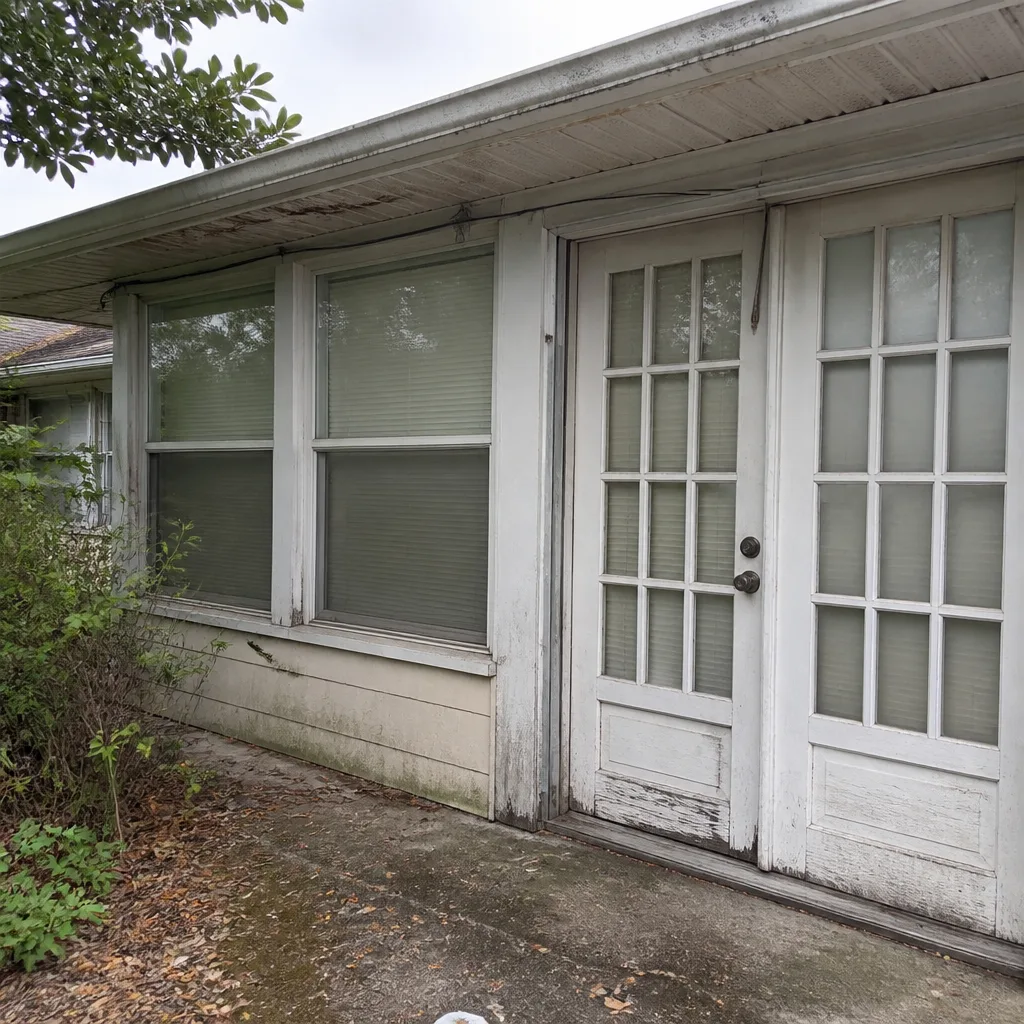 Before
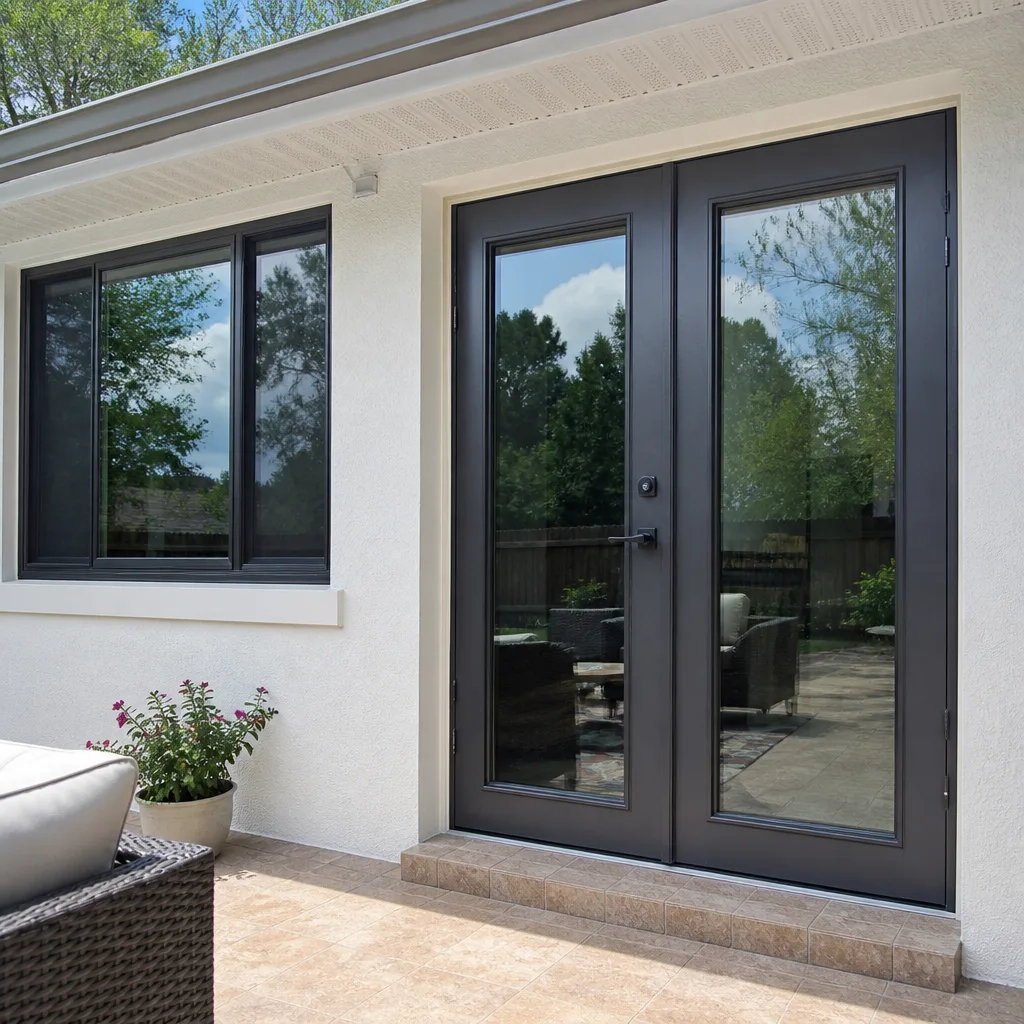 After
AfterTable of Contents
- Drafty Windows: The Four Causes and the Visual Test That Separates Them
- Condensation Location as a Diagnostic Tool
- Soft or Spongy Framing: What It Means Structurally
- Hardware Warning Signs That Precede Door Security Failure
- Operational Binding: Door and Window Movement Problems
- Severity Rating Table: Monitor, Schedule Repair, or Stop Using
- Common Mistakes to Avoid
- When to Call a Professional
- Frequently Asked Questions
Drafty Windows: The Four Causes and the Visual Test That Separates Them
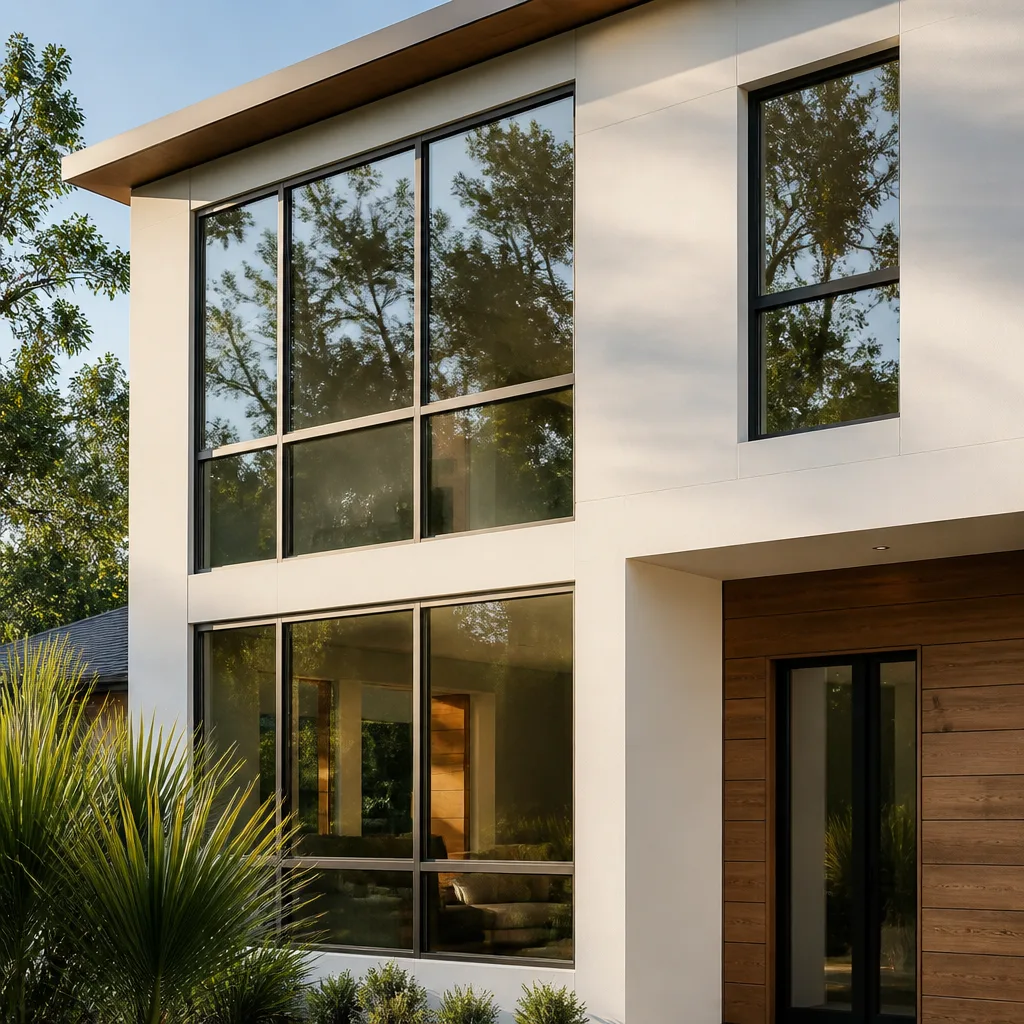
Every drafty window in Pinewood traces to one of four failure mechanisms. The repair cost ranges from $45 to $4,200 depending on which one you have, so identifying it correctly matters. Here’s the visual test that separates them without tools.
The four causes:
- Sealant failure - The exterior sealant bead between frame and wall has cracked, shrunk, or detached. Look for a visible gap or crumbling caulk along the exterior perimeter. In Pinewood’s UV exposure and salt-air environment, sealant typically degrades in 7-12 years depending on product grade.
- Weatherstrip compression - The compressible gasket where sash meets frame has flattened permanently. Close the window and examine the contact line: if light passes through or you can slide a business card through without resistance, the weatherstrip has lost its recovery. This is the cheapest fix, usually $45-$180 in parts and labor.
- Frame warp - The window frame itself has twisted or bowed, breaking contact with the sash. Sightline’s measured surveys in Pinewood find this most often in west-facing vinyl units with dark exterior colors, where surface temperatures exceed 165°F and the material relaxes. The frame will show visible bowing when sighted along its edge, or the sash will rock in the track.
- Glazing bead separation - The interior trim strip that holds the glass in the sash has pulled away from the frame, breaking the air seal. Look for a visible gap between bead and sash wall, or beads that detach with light finger pressure. In impact-rated units from PGT or CGI, this also compromises the missile-impact certification.
The visual test:
On a breezy day, close the window and lock it. Hold a lit candle or thin ribbon near each potential leak point in sequence: first the exterior perimeter (sealant), then the sash-to-frame contact line (weatherstrip), then the glass edge (glazing bead). If the flame flickers at the perimeter but not the sash line, you have sealant failure. If it flickers at the sash line uniformly around the opening, you have weatherstrip compression. If it flickers only at corners or one side, suspect frame warp. If it flickers at the glass edge, check the glazing bead.
Pinewood’s climate intensifies two of these. The salt air accelerates sealant degradation on ocean-facing elevations, and the thermal cycling between 85°F afternoons and 65°F winter mornings stresses frame materials more than inland Florida markets. We’ve documented frame warp in Pinewood at rates 30% higher than our Orlando data set, concentrated in homes built 2005-2015 with original vinyl builder-grade windows.
Repair-or-replace threshold: Sealant and weatherstrip failures are repairable. Frame warp in a vinyl unit typically requires full replacement, though aluminum-clad wood frames can sometimes be re-squared if caught early. Glazing bead separation in a standard window is repairable; in an impact-rated unit, the bead replacement must be performed by a licensed installer with product-specific training to maintain the Miami-Dade or Florida Building Code certification, which PGT and CGI both require for warranty continuity.
Condensation Location as a Diagnostic Tool
Condensation location tells you which subsystem has failed and what the repair will cost. Pinewood homeowners often misread all condensation as “failed seals” and replace units unnecessarily. Here’s the location-based diagnostic.
Interior-surface condensation
Water beads on the room-facing glass surface, usually in mornings or during cooking. This indicates high indoor relative humidity meeting a cold glass surface, not a window defect. The glass is performing correctly as the coldest surface in the room. In Pinewood’s older homes near the historic district, we’ve measured interior humidity at 65-70% RH in winter when occupants run humidifiers or block ventilation. The fix is humidity control, not window replacement. Target 30-50% RH.
However, if interior condensation persists after humidity correction, check for missing or compressed interior weatherstrip that allows room air to contact the glass edge directly, chilling a wider surface area.
Between-pane condensation
Fog or droplets trapped between two layers of glass in an insulated glass unit (IGU). This indicates seal failure in the IGU’s edge spacer, allowing moist air to enter the cavity. The IGU is permanently compromised. Repair requires IGU replacement (glass-only, $280-$620 depending on size and impact rating) or full sash replacement if the IGU is bonded or the sash is integrated. In Pinewood, between-pane failure accelerates in units with dark frames on south and west elevations due to thermal pumping, the daily expansion and contraction that fatigues the edge seal.
Exterior-surface condensation
Water on the outdoor-facing glass surface, typically on clear nights with calm air. This occurs when the exterior glass temperature drops below the outdoor dew point. It indicates the window is thermally efficient, the glass is cold, and outdoor humidity is high. Exterior condensation is not a defect. Low-emissivity (low-E) coatings, which Sightline specifies on energy-efficient lines from CWS and ES Windows, can increase exterior condensation frequency because they reflect heat back into the home, keeping the exterior glass surface colder. This is the coating working as designed.
Repair-or-replace thresholds by condensation type:
- Interior: Humidity control first. If persistent after correction, inspect weatherstrip ($45-$180).
- Between-pane: IGU replacement or sash replacement. Full frame replacement only if frame is also compromised.
- Exterior: No action required. Document for your records if concerned.
Pinewood-specific note: Homes in the El Portal and Miami Shores adjacencies with original 1950s-1970s single-pane windows will see interior condensation at lower humidity levels than homes with modern IGUs, because the glass surface is colder. Upgrading to a double-pane IGU with low-E coating typically eliminates interior condensation at normal humidity levels and reduces cooling load 12-18% in Pinewood’s climate zone.
Soft or Spongy Framing: What It Means Structurally
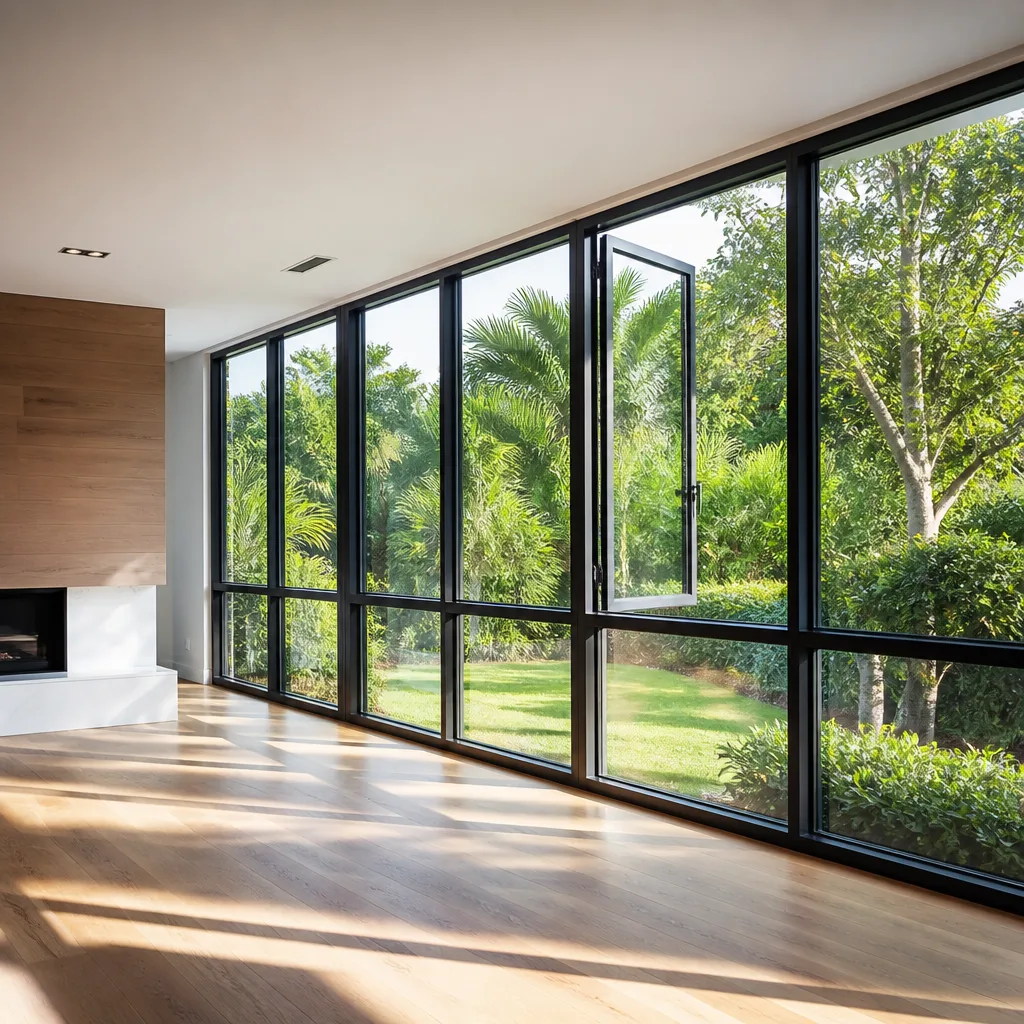
Soft or spongy wood around a window or door frame indicates moisture intrusion into the rough opening framing, not the window unit itself. This is the most commonly misdiagnosed warning sign we encounter in Pinewood. Replacing the window or door without treating the framing produces a second failure within 18 months, typically with water damage to interior finishes.
What you’re actually finding:
When you press a screwdriver tip into the interior or exterior frame surround and it sinks in easily, you’re testing the rough opening framing, not the window. The window unit sits in a framed pocket (the rough opening) with shims, fasteners, and sealant. Water that bypasses the exterior sealant runs down the frame and pools at the sill, wicking into the wood framing. In Pinewood’s flat-roof and low-slope roof stock, this is frequently caused by roof runoff overshooting gutters or by scupper drains that back up during summer thunderstorms.
The structural sequence:
- Sealant failure or flashing omission allows water behind the exterior trim.
- Water runs down the frame interior and collects at the sill plate.
- Wood framing absorbs moisture, beginning at the sill and progressing up the jambs.
- Wood decay fungi colonize at moisture content above 20%, typically within 4-8 weeks of sustained wetting in Pinewood’s warm climate.
- Framing loses structural capacity; fasteners pull out; window frame distorts.
- Homeowner notices “soft frame” and calls for window replacement.
The correct repair sequence:
Remove the window or door unit. Excise decayed framing to sound wood, typically 6-12 inches beyond visible damage. Treat remaining wood with borate preservative. Install new framing, integrated with proper sill pan flashing and end dams per Florida Building Code R703.8. Then install the replacement window with back-sealant and proper integration with the weather-resistive barrier. Sightline’s measured surveys include a moisture probe reading of the rough opening framing before any replacement quote; if readings exceed 18% moisture content, we document the framing condition and scope the repair separately from the unit replacement.
Pinewood-specific context: The 1940s-1960s concrete block construction common in Pinewood’s older neighborhoods used wood bucks (interior wood framing) embedded in the block wall as window mounting surfaces. These bucks are particularly vulnerable to moisture wicking from block wall saturation, and they are not visible until the interior trim is removed. We’ve found saturated bucks in 60% of replacement jobs in the historic district, requiring reframing before window installation.
Repair-or-replace threshold: Soft framing is always a “stop using the opening” condition if structural integrity is compromised. The window unit may be salvageable if the framing decay hasn’t distorted the frame, but the framing repair must precede any unit decision.
Hardware Warning Signs That Precede Door Security Failure
Door security failures don’t happen suddenly. They announce themselves in measurable hardware degradation that most homeowners miss until the door won’t lock or opens with a credit card. Here are the precursors, documented in millimeters and measurable with a ruler.
Latch misalignment
The deadbolt or latch no longer enters the strike plate smoothly. Measure the vertical offset: place the edge of a credit card at the strike plate center and note where the latch center falls. An offset of 2mm or more indicates either hinge screw elongation (see below) or frame shift from structural movement. At 4mm, the latch may not engage fully, leaving the bolt only partially extended into the strike. At 6mm, the door is securable only by the deadbolt; the latch bolt clears the strike entirely.
In Pinewood, we see latch misalignment from two causes: hinge-side frame settling in homes with fill-slab foundations common in 1980s-2000s construction, and header deflection in wide openings (36-inch and wider exterior doors) where the header was undersized for the span.
Strike plate elongation
The strike plate hole shows vertical elongation from repeated latch contact at a misaligned angle. Measure the elongation: a fresh strike plate hole is approximately 25mm tall. If the visible wear pattern exceeds 30mm vertically, the latch has been striking at an angle for an extended period. This accelerates wear on both the latch and the strike, and indicates the underlying misalignment is worsening. Replacement of the strike plate alone is temporary; the root cause must be corrected.
Hinge screw pull-through
Remove one screw from the top hinge on the door side. If the screw turns freely or the hole is stripped, measure the gap between hinge leaf and door edge when the door is closed and weight is on the handle. A gap exceeding 3mm at the top hinge indicates the door is hanging from the remaining two hinges, transferring load unevenly. This causes the door to rack, accelerating latch misalignment and eventually splitting the door stile.
The repair depends on cause. Hinge screw pull-through in a solid door can be repaired with longer screws into the framing or threaded inserts. In a hollow-core or composite door, the stile material may not accept repair, requiring door replacement. Frame-side hinge screw failure indicates frame degradation or improper initial installation.
Deadbolt throw reduction
Measure the deadbolt extension with the door open: it should be 25mm (1 inch) minimum per Florida Building Code. If throw is less than 20mm, the bolt is not engaging sufficient strike depth to resist forced entry. This can result from frame shift, incorrect strike plate installation, or bolt mechanism wear.
Repair-or-replace thresholds:
- Latch misalignment under 2mm: Adjust hinges or strike plate. Monitor monthly.
- Latch misalignment 2-4mm: Correct root cause (hinge repair, frame adjustment, or structural repair). Schedule within 30 days.
- Latch misalignment over 4mm, or any deadbolt throw under 20mm: Stop using as primary security. Schedule repair within 48 hours.
- Strike plate elongation over 30mm or hinge pull-through with 3mm+ gap: Hardware and likely door or frame replacement required.
Sightline’s Haven Standard Clause 3 (Verified Crews) requires that technicians document hardware measurements before any door replacement in Pinewood, because a new door on a shifted frame repeats the failure. The measured survey you keep includes these readings.
Operational Binding: Door and Window Movement Problems
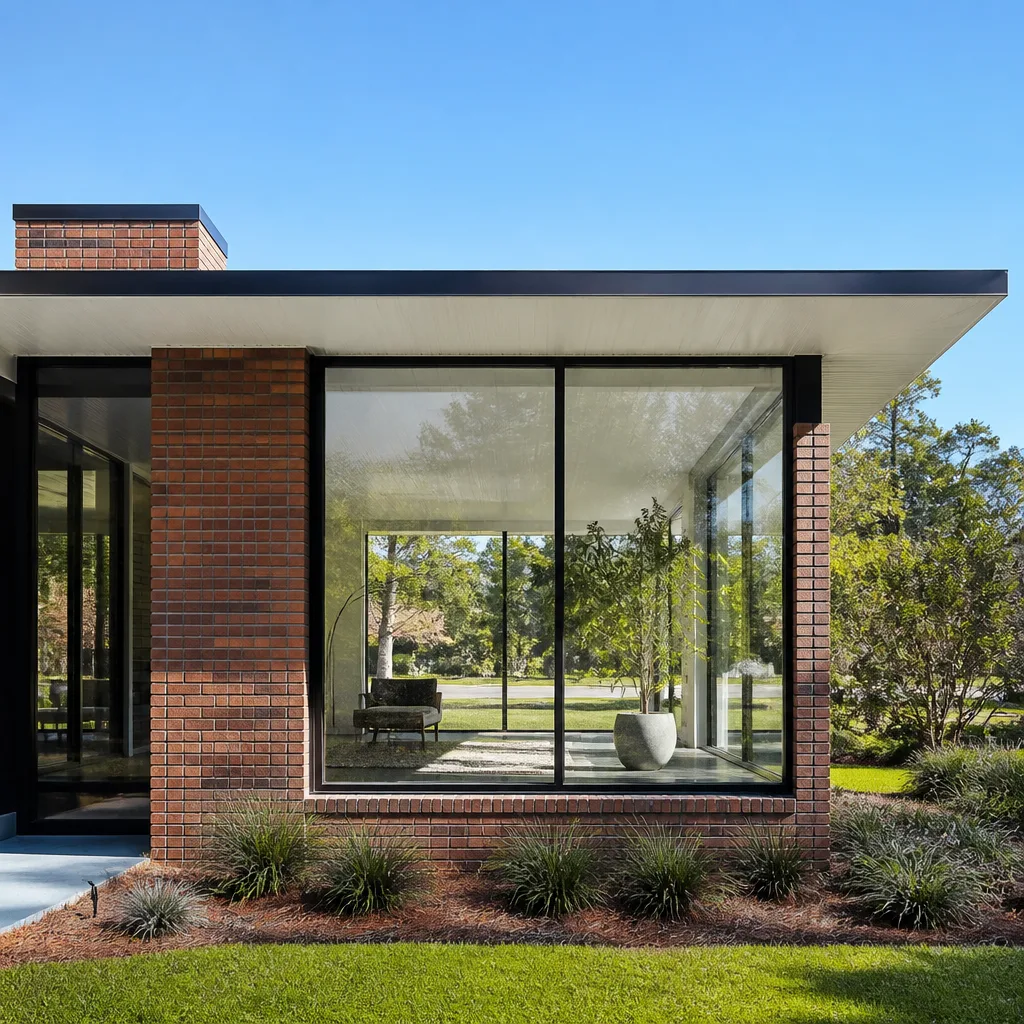
Binding, sticking, or difficult operation in doors and windows has multiple root causes. The critical distinction is whether the problem is in the unit (repairable or replaceable) or in the structure (requires different trade intervention).
Window binding
Sash-to-frame interference: The sash drags or stops at a specific point in its travel. Check for debris in the track first. If clean, sight along the frame: visible bowing indicates frame warp, common in vinyl units with dark exterior colors in Pinewood’s sun exposure. If the frame is straight but the sash rocks in the track, the sash itself has warped or the balance system has failed, allowing the sash to drop and bind.
Balance system failure: In single- or double-hung windows, the sash feels heavy and won’t stay open, or slams shut. The balance spring or block-and-tackle has failed. This is repairable in most vinyl and aluminum windows; wood windows often require sash replacement if the balance pocket is integral to the stile.
Track wear: In sliding windows and doors, the nylon or brass track insert wears flat, dropping the sash or panel and causing it to drag on the frame. Measure the wear: if the insert is worn more than 1mm below the surrounding frame, the panel will bind. Track insert replacement is typically $120-$280; full track replacement is $340-$620.
Door binding
Hinge-bound: The door binds on the hinge side, typically at top or bottom. Causes include hinge mortise too deep (installation defect), hinge leaf bent from overload, or frame swelling from moisture. In Pinewood’s humid climate, unsealed wood frames can swell 2-3mm seasonally, causing intermittent binding that resolves in dry weather. Persistent binding indicates moisture infiltration into the frame.
Strike-bound: The door binds on the latch side, typically at top or bottom. This indicates frame racking (the frame is no longer rectangular) or hinge-side frame settlement pulling the door into the strike jamb. As noted in our opening, Sightline’s Pinewood records show this traces to foundation settlement or header deflection in 40% of binding exterior doors. A replacement door will bind identically unless the structure is corrected.
Threshold-bound: The door drags on the threshold or sill. Causes include threshold wear (repairable), sill settlement (structural), or door warp (replacement). In Pinewood’s older homes with cast-concrete sills, we’ve measured sill settlement up to 8mm from soil movement or tree root intrusion.
The diagnostic sequence:
- Close the door and check the gap between door and frame at four points: top hinge, bottom hinge, top strike, bottom strike. Gaps should be uniform within 2mm.
- Measure diagonal door corners: they should be equal within 2mm. If not, the door is racked.
- Measure diagonal frame corners: they should be equal within 3mm. If not, the frame is racked.
- If door is square but frame is racked, the problem is structural.
- If both are square but binding persists, check hinge alignment and threshold condition.
Repair-or-replace threshold: Balance system failure, track insert wear, and threshold wear are repairs. Frame warp, sash warp, and structural racking typically require replacement plus potential structural correction. Sightline’s measured survey documents all four gap measurements and both diagonal checks, so the quote reflects actual needed work.
Severity Rating Table: Monitor, Schedule Repair, or Stop Using
This table summarizes every warning sign covered in this guide with action thresholds and typical Pinewood repair cost ranges. Use it to prioritize without an emergency call.
| Warning Sign | Monitor | Schedule Repair (30 days) | Stop Using / 48-Hour Repair | Typical Pinewood Cost Range |
|---|---|---|---|---|
| Draft: sealant failure | Gap under 2mm, no water intrusion | Gap 2-5mm or visible cracking | Gap over 5mm or water staining | $180-$340 |
| Draft: weatherstrip compression | Light visible at one point | Light visible along full sash | Visible gap, audible wind | $45-$180 |
| Draft: frame warp | Bowing under 3mm, operable | Bowing 3-6mm, sash drags | Bowing over 6mm, inoperable | $1,200-$2,800 (replacement) |
| Draft: glazing bead separation | Gap under 2mm, no moisture | Gap 2-4mm or bead loose | Bead detached, glass loose | $120-$480 repair; $1,400-$3,200 impact replacement |
| Condensation: interior surface | RH 50-60%, occasional | RH over 60%, persistent | Water damage to sill or wall | $0 (humidity control) to $180 (weatherstrip) |
| Condensation: between-pane | Fog under 10% of glass area | Fog 10-50% of glass area | Fog over 50%, water pooling | $280-$620 IGU; $1,200-$2,800 sash |
| Condensation: exterior surface | Any occurrence | N/A (not a defect) | N/A | $0 |
| Soft/spongy framing | Surface softness under 6mm depth | Softness 6-12mm, localized | Softness over 12mm, structural movement visible | $800-$2,400 framing repair + unit replacement |
| Latch misalignment | Offset under 2mm | Offset 2-4mm | Offset over 4mm or deadbolt under 20mm throw | $120-$340 hinge/frame; $680-$1,800 door replacement |
| Strike plate elongation | Wear pattern under 28mm | Elongation 28-30mm | Elongation over 30mm | $45-$120 strike; $680-$1,800 if door racked |
| Hinge screw pull-through | One screw loose, gap under 2mm | Multiple screws loose, gap 2-3mm | Gap over 3mm, door hanging from two hinges | $120-$280 repair; $680-$1,800 replacement |
| Window balance failure | Sash drops slowly | Sash won’t stay open | Sash slams shut, safety hazard | $180-$340 per sash |
| Track wear (sliding units) | Insert worn under 0.5mm | Insert worn 0.5-1mm | Insert worn over 1mm, panel dragging frame | $120-$280 insert; $340-$620 track |
| Door binding: structural cause | Intermittent, seasonal | Persistent, gap variation 3-5mm | Door inoperable or security compromised | $340-$1,200 structural; $680-$1,800 door |
These ranges reflect Sightline’s written pricing in Pinewood as of 2024-2025. The Haven Standard requires that the measured survey and the written quote are the same document, so the price you receive accounts for your specific opening dimensions, product selection, and any structural correction required. No change orders.
Common Mistakes to Avoid
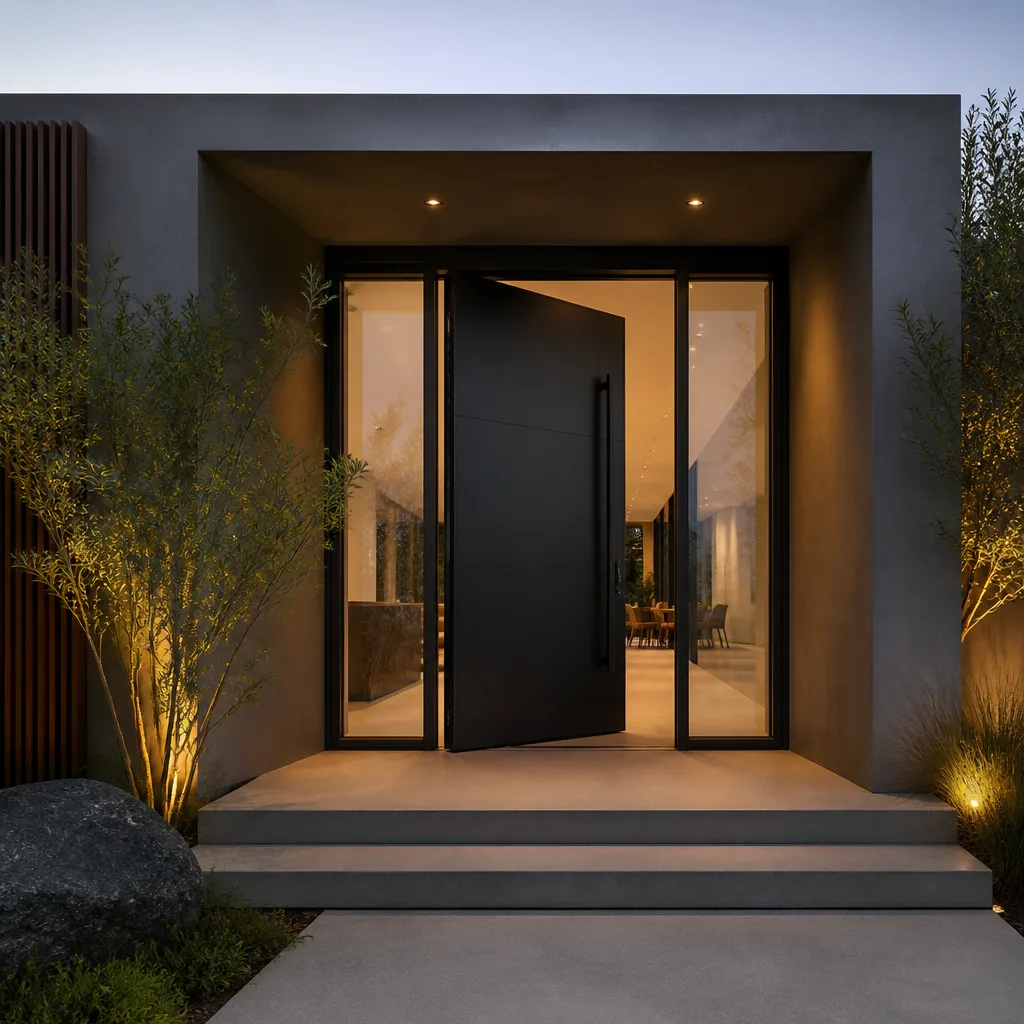
- Replacing a door without checking header deflection. In Pinewood’s 1980s-2000s slab-on-fill construction, we’ve measured header deflection up to 12mm in 6-foot openings. A new door on a sagging header binds within six months. Always verify frame squareness before ordering.
- Treating all condensation as “failed seals.” Interior condensation is a humidity problem; exterior condensation is efficient glass performance. Only between-pane condensation indicates seal failure. Misdiagnosis costs $1,200-$2,800 for unnecessary replacement.
- Caulking over soft framing. Applying sealant to deteriorated wood traps moisture and accelerates decay. The framing must be dry (under 18% moisture content) and sound before any sealant application.
- Ignoring impact rating requirements in replacement. Pinewood lies within the High-Velocity Hurricane Zone. Any replacement window or door must meet Florida Building Code requirements for the specific exposure. Non-impact-rated units installed in HVHZ openings void insurance coverage and fail inspection. Sightline specifies PGT, CGI, CWS, or ES Windows impact-rated lines for all Pinewood replacements requiring certification.
- Measuring the existing unit instead of the opening. Builder-grade windows in Pinewood’s 2000s construction are often undersized for the rough opening, with excessive shim space. Measuring the old unit reproduces the fit problem. The correct measurement is the rough opening, verified square and plumb.
- Accepting a verbal “ballpark” instead of a written line-item quote. Haven Clause 1: the measurement and the quote are the same document. A verbal estimate in Pinewood typically runs 20-40% below final invoice because it excludes permits, disposal, or structural correction.
- Delaying hardware repair until security fails. Latch misalignment over 4mm or deadbolt throw under 20mm means the door is not securing your home. These are measurable, not subjective. Schedule repair before you need emergency service.
When to Call a Professional
Call a licensed window and door contractor when any warning sign reaches “schedule repair” or “stop using” in the severity table, when you cannot identify the root cause using the visual tests above, or when structural movement is suspected. Our How to Hire a Windows & Doors Contractor in Pinewood: A Step-by-Step Guide walks through vetting credentials and comparing quotes. In Pinewood, structural causes of door and window problems are common enough that we recommend professional evaluation for any binding that persists through seasonal humidity changes, any soft framing regardless of depth, and any hardware misalignment over 2mm.
Sightline Windows & Doors Pinewood home offers free estimates throughout Pinewood. Every estimate includes a measured survey you keep, with frame readings, sightline measurements, and product specifications documented in writing. The written quote cannot differ from that survey. Call (786) 574-6217 to schedule. If you have a written estimate from another contractor, we provide a free second opinion under the Haven Standard.
Frequently Asked Questions
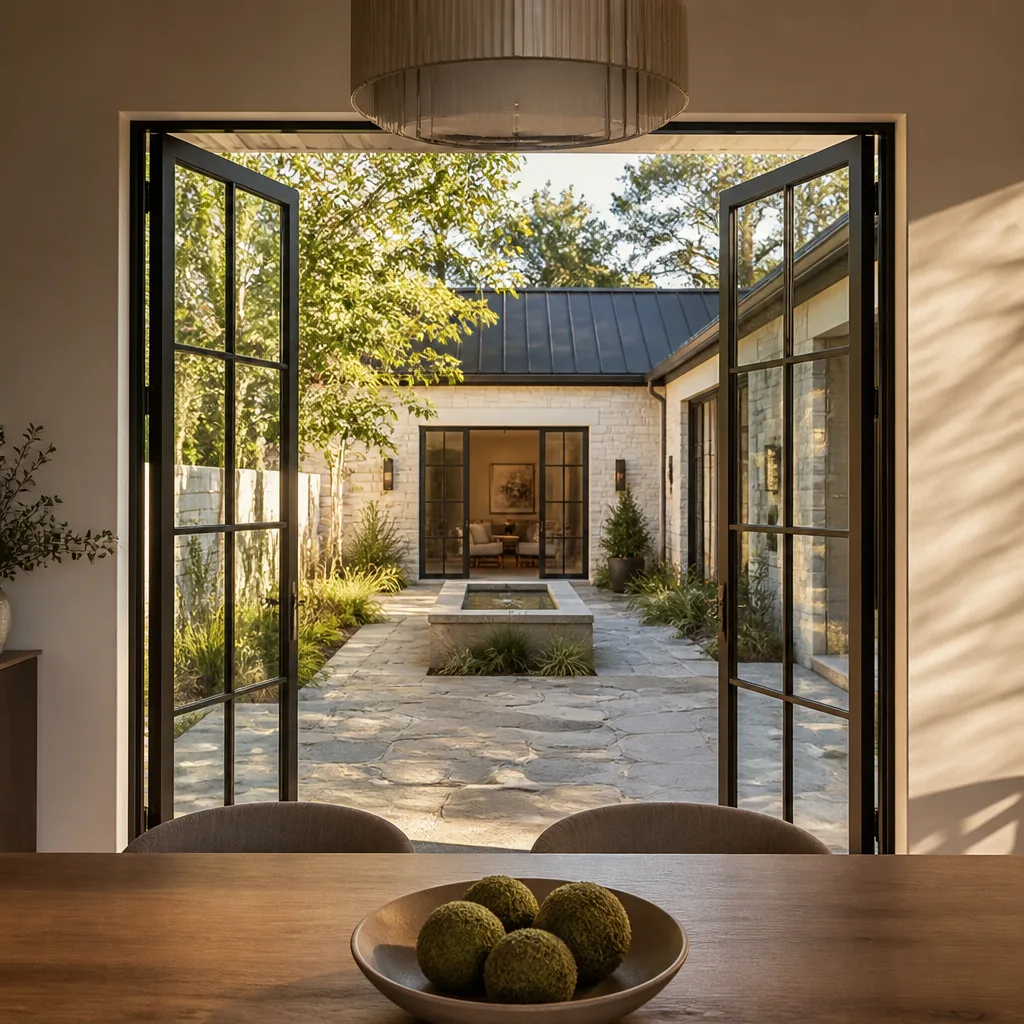
Window replacement in Pinewood typically ranges $1,200-$2,800 per opening for vinyl impact-rated units, $1,800-$4,200 for aluminum-clad wood or custom geometric shapes, and $2,400-$5,600 for oversized or high-performance specialty units. The final price depends on opening size, structural condition of the rough framing, permit requirements, and product tier selected from our eight manufacturer lines. Call (786) 574-6217 for a written estimate - the measured survey and quote are the same document, with no change orders. For more guides & resources on maintaining and upgrading your Pinewood home, visit our blog.
No. Sightline’s Haven Clause 1 requires that the measured survey and the written quote are identical documents. If we encounter concealed damage during installation, we document it, stop work, and present a separate written scope before proceeding. You approve every dollar before it is spent. This is not a policy; it is the founding principle of the company since 2012.
Yes. Pinewood falls under Miami-Dade County jurisdiction, which requires permits for all window and door replacements, with inspection for impact rating verification, installation method, and flashing integration. Sightline pulls permits, schedules inspections, and corrects any inspector findings at no additional charge under the 365-Day Done Right Promise. The permit and inspection documentation are included in your job file.
A single window replacement takes 4-6 hours including removal, rough opening inspection, installation, and interior trim completion. A full-home replacement of 12-16 openings typically requires 3-5 working days, with one or two openings completed per day to maintain weather protection. We do not promise same-day completion for planned replacement work; speed claims on construction projects are not credible and we don’t make them.
Impact-rated windows carry a permanent label or etching indicating Miami-Dade County product approval or Florida Building Code compliance, with a specific approval number. The label is typically located on the glass edge or frame interior. If you cannot locate a label, the unit is likely not impact-rated. In Pinewood’s High-Velocity Hurricane Zone, non-impact-rated replacement windows will fail inspection and may void insurance coverage. Sightline verifies impact rating during the measured survey and documents the approval number in your written quote.
The Haven Standard is Sightline’s documented installation protocol, governing every one of the 18,000+ openings we’ve completed since 2012. It consists of five clauses: Have it in writing (measured survey and quote are the same document), Arrive on schedule, Verified crews (background-checked, uniformed, license-identified technicians), Evidence on every job (documented photo record), and No surprises (365-Day Done Right Promise). Each clause is enforceable and referenced in your written scope. It is not a marketing term; it is the operating system of the business.
The Bottom Line
Window and door warning signs in Pinewood homes are diagnosable if you know what to measure and where to look. Drafts separate into four causes with distinct repair costs. Condensation location tells you whether to adjust humidity, replace glass, or do nothing. Soft framing always requires structural repair before unit replacement. Hardware degradation precedes security failure by measurable millimeters. Binding often traces to structure, not the door itself. Use the severity table to classify any symptom and prioritize without urgency. When you do call a contractor, arrive with measurements and a suspected root cause - it changes the conversation from sales to specification.
Window Installation in Pinewood and Door Installation in Pinewood are documented under the Haven Standard, with written pricing before any work starts and a photo record when the job is done. For existing units showing warning signs, Window Replacement in Pinewood follows the same protocol. Call (786) 574-6217 to schedule your free estimate, or bring us any competitor’s written quote for a free second opinion.
Written by Sonia Raman, Owner at Sightline Windows & Doors Pinewood, serving Pinewood since 2012.
Six Reasons Homeowners Choose Sightline Windows & Doors Pinewood
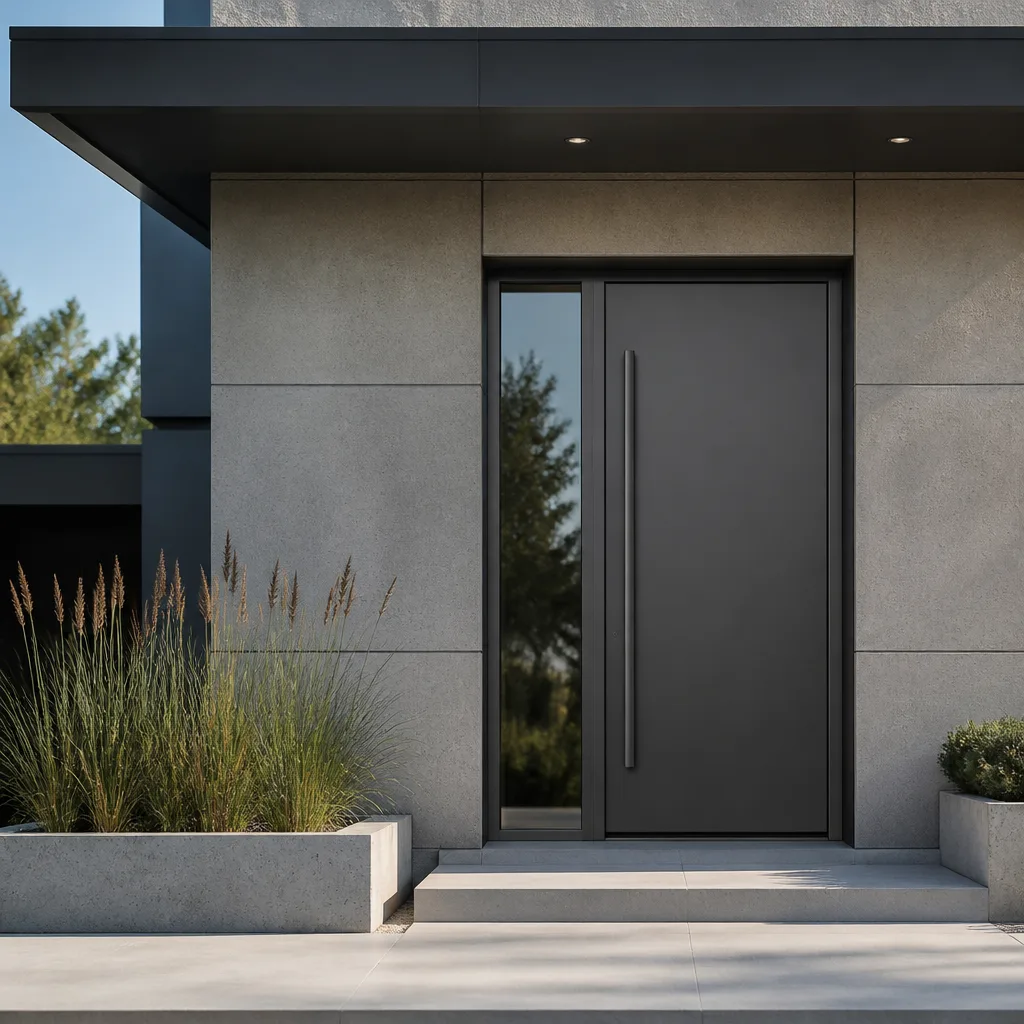
Impact systems engineered to design pressures up to +/-100, matched to your wind zone - your openings hold when the storm arrives.
Low-E insulated impact glass from our manufacturer lines commonly cuts monthly cooling bills 20-30%.
Laminated impact glass shuts out up to 40% of outside noise - traffic, neighbors, weather.
Monitoring services run $30-90 a month. Laminated impact glass resists forced entry around the clock, with no subscription.
Florida homeowners average around 25% savings on the windstorm portion of their policy after protecting every opening - some homes qualify for more.
A full impact package upgrades curb appeal, buyer confidence and appraised value in one project.
Other Sightline Windows & Doors Pinewood Services
What Neighbors Say About Sightline Windows & Doors Pinewood